Share via
This University Diploma aims to train dental surgeons in the complete mastery of implant treatment, from the initial patient assessment to the final prosthetic restoration, including surgery, tissue management, the use of digital tools, and the integration of laser in implantology.
The D.U. takes a progressive, clinical, and practical approach, structured around specialized modules combining theory, demonstrations, hands-on workshops, and patient procedures.
Objectives:
Master the fundamental prerequisites for implant placement, including the history of implantology, surgical anatomy, bone biology, and an understanding of bone-implant interactions.
Know how to establish a precise clinical and radiological diagnosis, using modern tools such as CBCT, tissue analysis, and digital planning.
Develop an individualized implant treatment plan adapted to each clinical situation (single, multiple, full-arch).
Implement the various surgical techniques (classical and guided) with rigor, mastering flaps, sutures, and implant placement on models and in clinical conditions.
Integrate the digital workflow into implant practice, understanding the key steps: acquisition, planning, guide printing, and limitations to avoid.
Master the prosthetic phase, from the healing abutment to the final prosthesis, including the various types of impressions, material selection, occlusion management, and framework passivity.
Manage prosthetic and biological complications by anticipating risk factors and applying appropriate corrective protocols.
Master immediate post-extraction implant and immediate loading protocols, understanding bone regeneration and peri-implant soft tissue management.
Apply advanced muco-gingival surgery techniques, including connective tissue grafts, advanced flaps, and ridge preservation techniques.
Use lasers in implantology for the treatment of peri-implantitis, soft tissue management, disinfection, and the optimization of healing.
Concretely apply the acquired skills in real conditions, through supervised hands-on sessions on training models and patients, within pilot clinics.
Successful completion of the course and final examination is acknowledged by the award of a certificate:
"Diploma in Advanced Endodontics"
Highlights:
A panel of renowned instructors.
Numerous hands-on exercises on training models and patients to apply the theory taught.
This program consists of 4 modules detailed below.
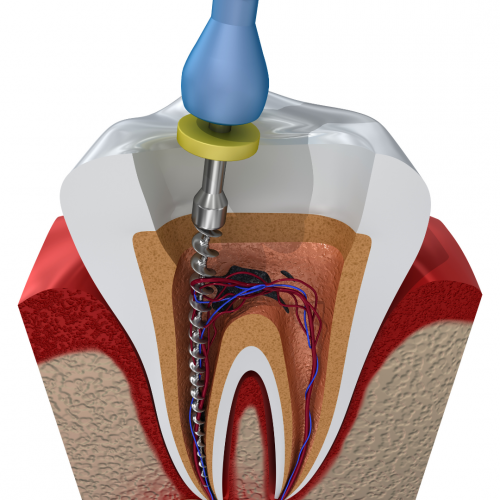
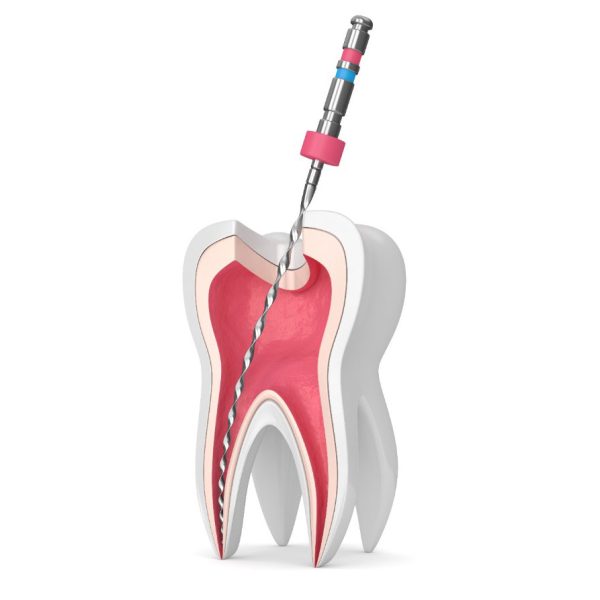
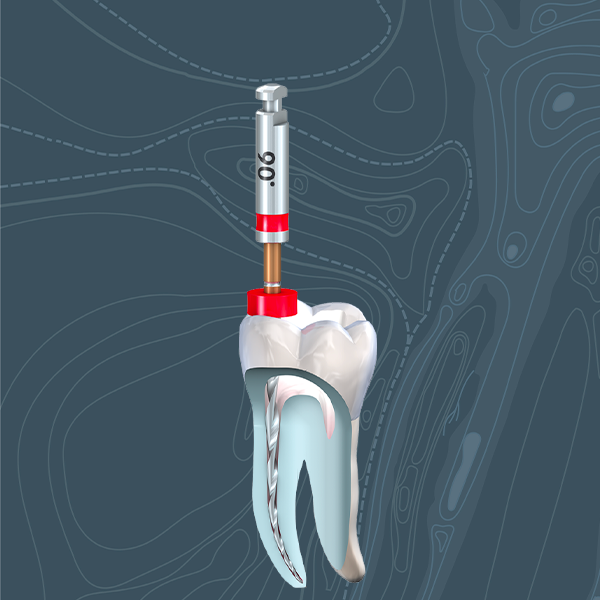
Endodontic access cavities: clinical guidelines, instruments and techniques.
Location of calcified canal orifices: instruments and operative techniques.
Rubber dam.
Magnification, supplemental illumination, ultrasound and radiography.
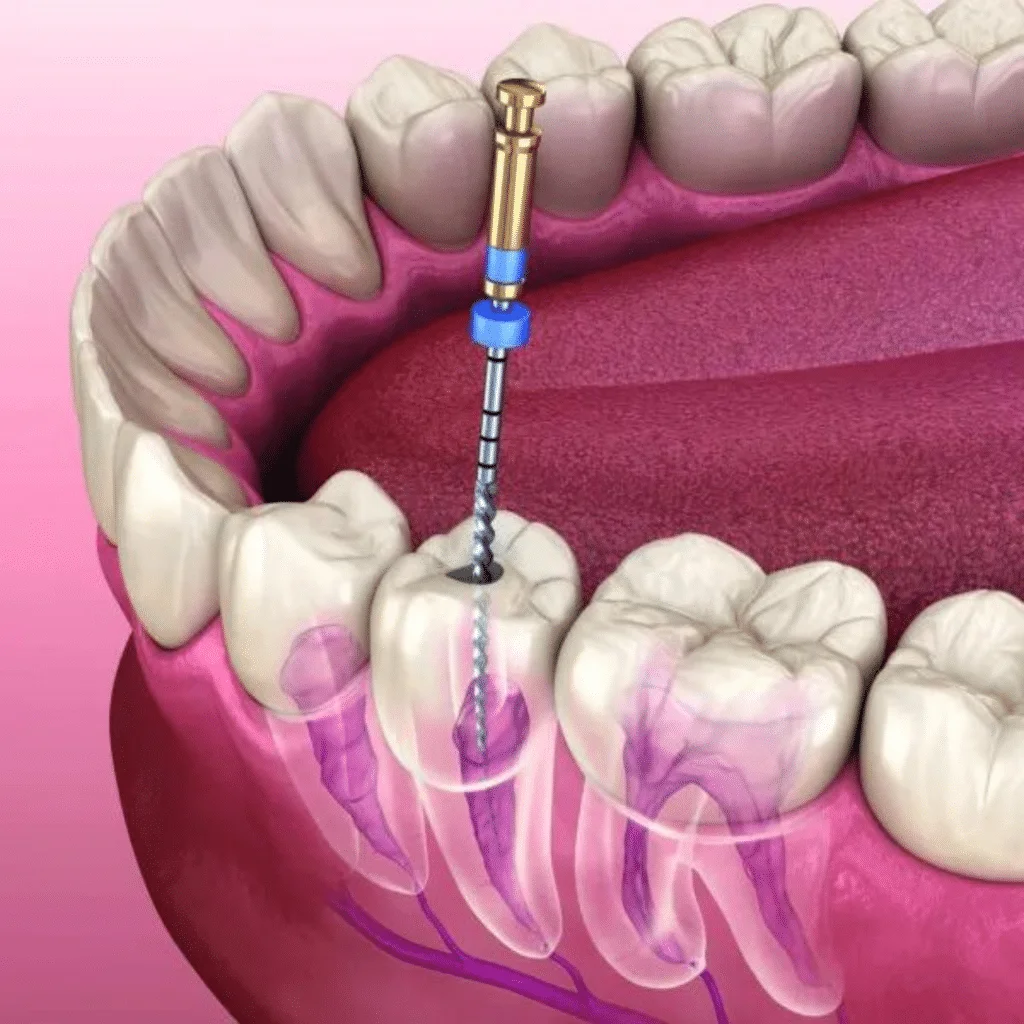
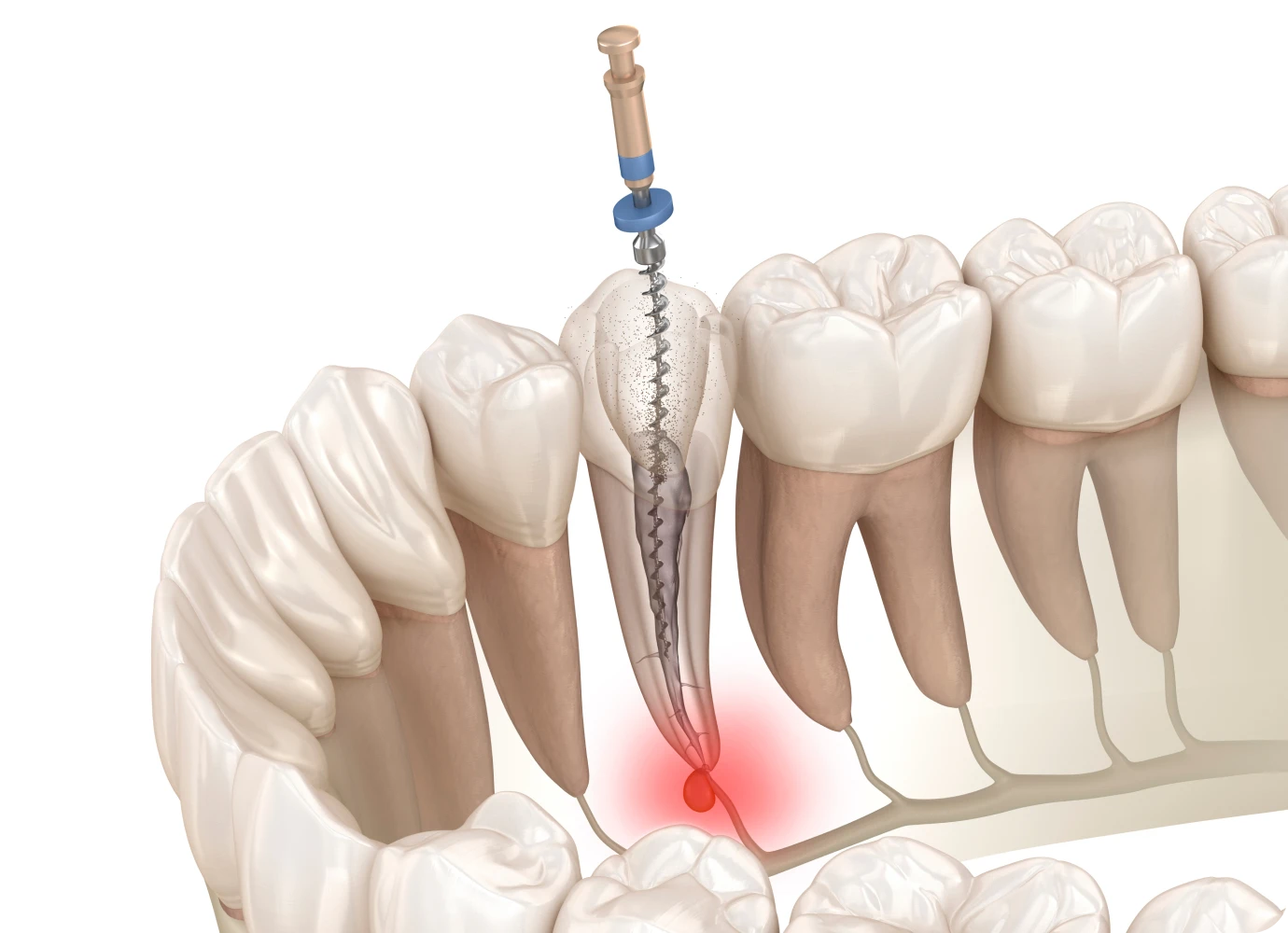
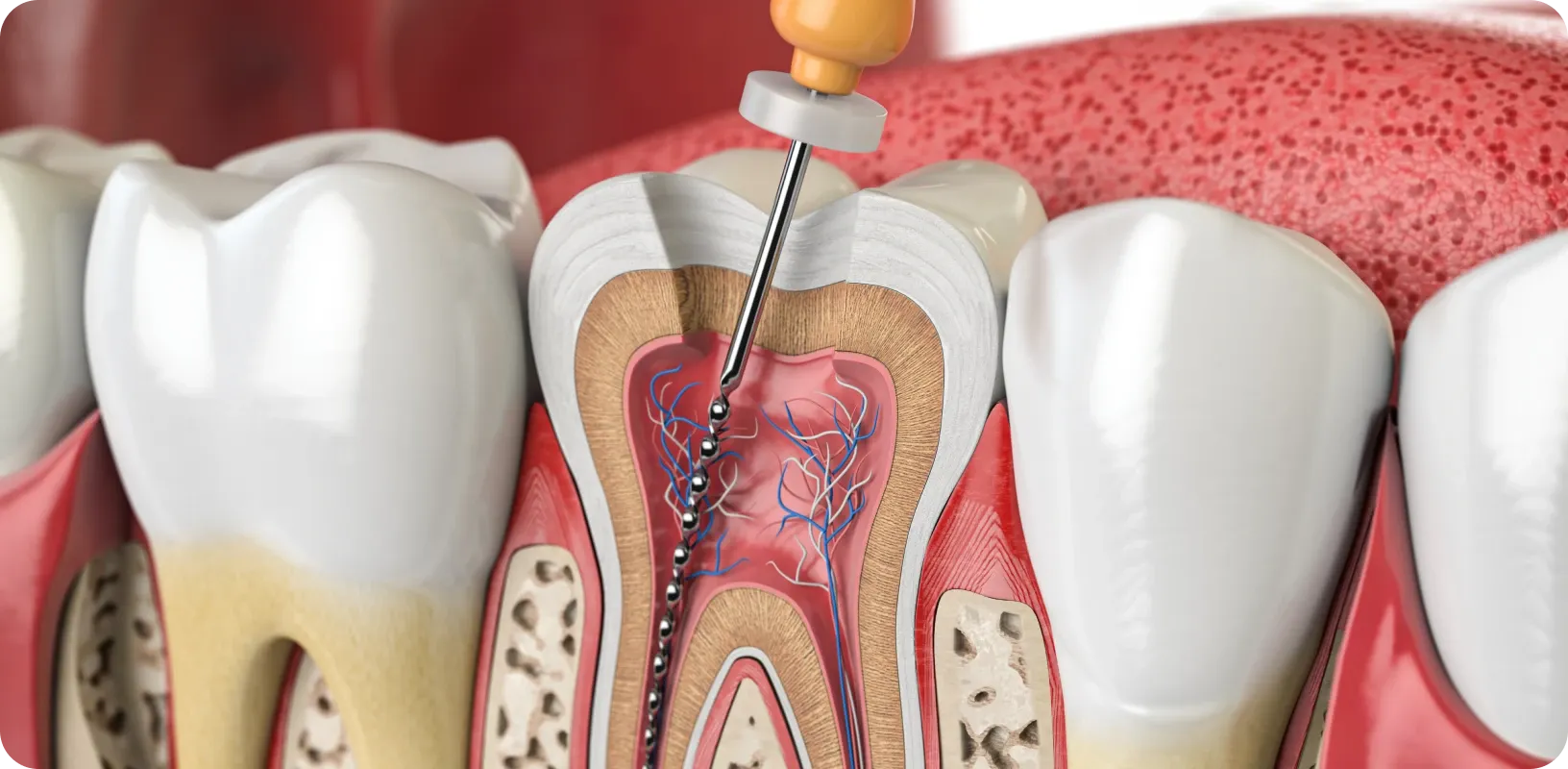
Root canal shaping: principles and preparation techniques with rotary nickel-titanium instruments.
Irrigation: solutions, delivery systems and operative techniques. How to avoid errors during cleaning.
Instrument activation and techniques to enhance irrigant action.
Obturation of the root canal system: principles, materials and techniques.
Vertical compaction of warm gutta-percha and continuous wave condensation.
Single cone and bioceramic cements.
Obturation techniques with carriers (carrier-based).
Retreatment decisions and treatment planning in endodontics.
Removal of crowns and bridges.
Removal of prefabricated metal and fiber posts, as well as cast post and cores.
Solvents and removal of obturation materials: pastes, gutta-percha, resin.
Removal of silver points and fractured instruments.
Management of ledges, blockages and calcifications.
Resumption of root canal shaping with manual and rotary instruments.
Radicular perforations: prevention and repair with MTA.
Endodontic treatment of teeth with wide open apex.
MTA: properties and operative techniques.
2ND MODULE: JANUARY 15-16, 2026 - (2 DAYS) Theory and Practice
Endodontic Retreatment: Strategies, Techniques and Management of Complications
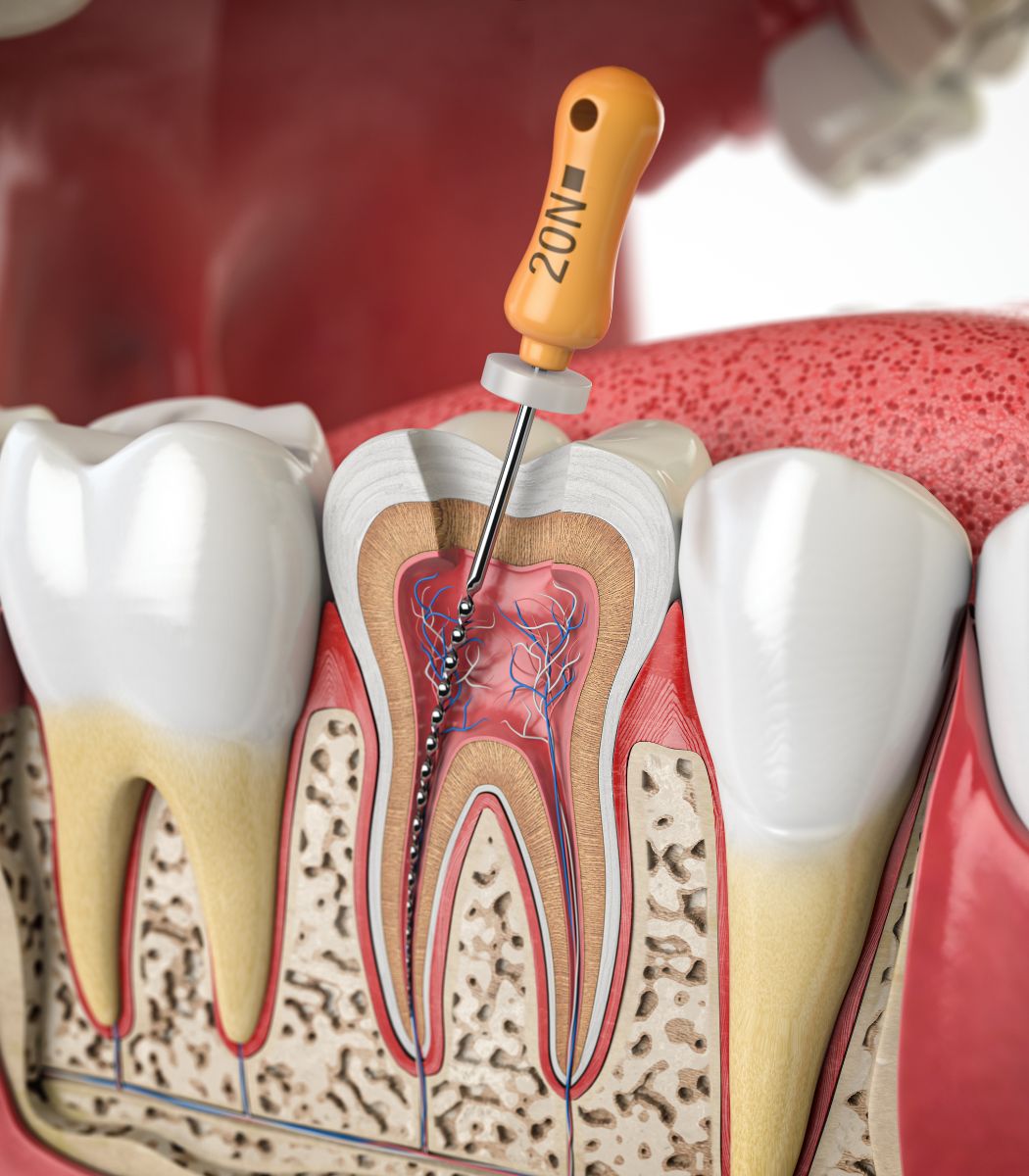
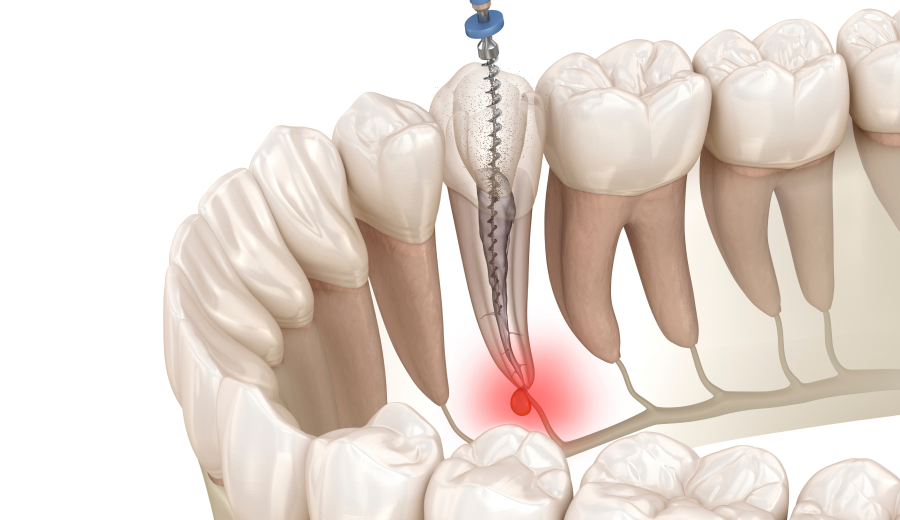
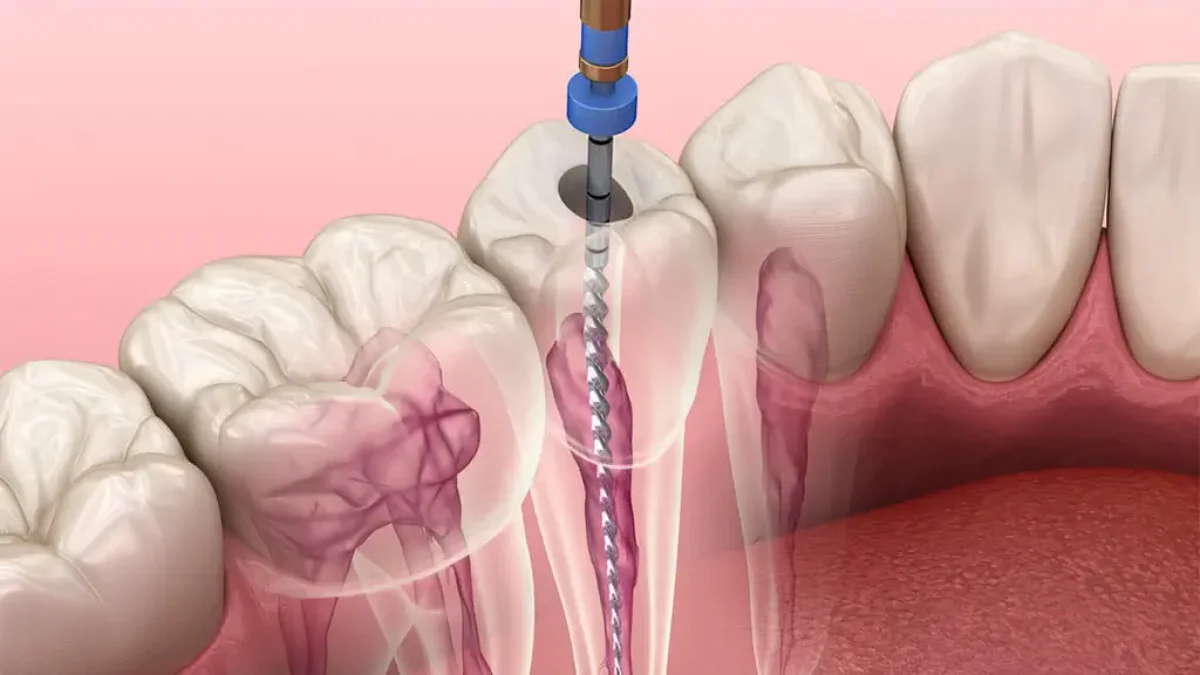
Pulpal pathology.
Diagnosis and treatment of painful emergencies.
Periapical diseases: treatment of chronic and acute apical periodontitis, abscesses, granulomas and cysts.
Dental trauma: treatment of root fractures, luxations and avulsions.
Endo-periodontal problems: diagnosis and treatment.
Use of the dental microscope.
Post-endodontic restoration: clinical recommendations, instruments and techniques.
Treatment of complex cases in endodontics.
Indications for endodontic surgery.
This third module aims to prepare participants for the management of emergencies, complex pathologies and advanced clinical situations in endodontics. It addresses the diagnosis of pulpal pain, the treatment of periapical diseases, dental trauma and endo-periodontal problems. The use of the microscope, the management of post-endodontic restorations and the treatment of complex cases, including surgical indications, are also covered. This module further integrates the essential basics of the post-implant prosthodontic phase, from the selection of abutments to the realization of definitive prostheses.
.jpg)
Introduction to laser in dentistry
Physical basics: laser types, wavelengths, emission modes.
Safety and precautions for use in the office.
Specific applications in endodontics
Canal disinfection: mechanisms of action (photoacoustic effect, thermal, etc.)
Activation of irrigation solutions with laser: comparative study with other methods (ultrasound, sonic, etc.).
Use of laser in endodontic surgery.
Treatment of post-operative pain and biostimulation.
Types of lasers used in endodontics
Er:YAG laser, Er,Cr:YSGG, Nd:YAG, diode laser: indications and differences.
Usage protocols according to laser type.
All modules take place in Algeria as in-person sessions at the Hyatt Regency Airport Hotel Algiers.
The diploma ceremony will take place at the University of Genoa
Our partners