
The world of aesthetic medicine offers exciting and limitless opportunities to physicians around the globe.
The past decade has been marked by unimaginable advances in the field of aesthetics and anti-aging.
It is in this spirit that the University of Genoa has designed a series of training sessions covering the latest innovations and advances in minimally invasive cosmetic procedures.
Candidates will receive detailed and in-depth training through lectures and hands-on sessions to provide them with the knowledge and confidence required to build a successful and profitable cosmetic practice. This will enable participants to stand out in their field and offer their patients a holistic approach to enhancing beauty.
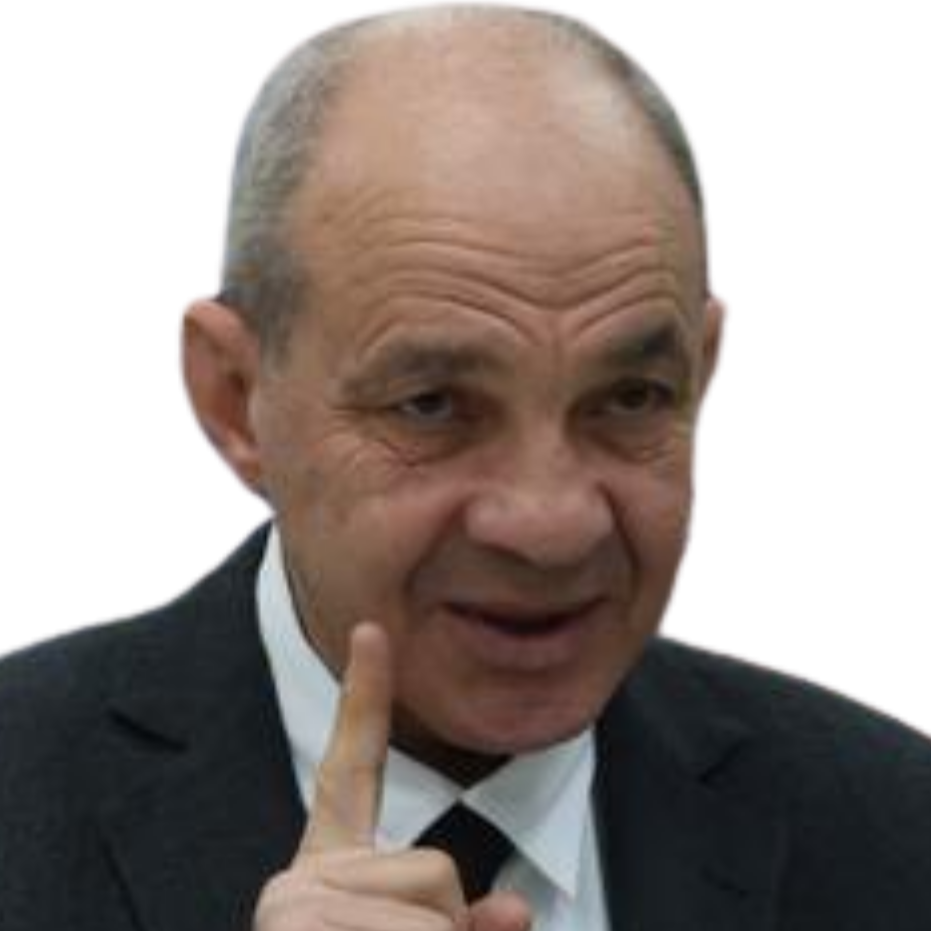
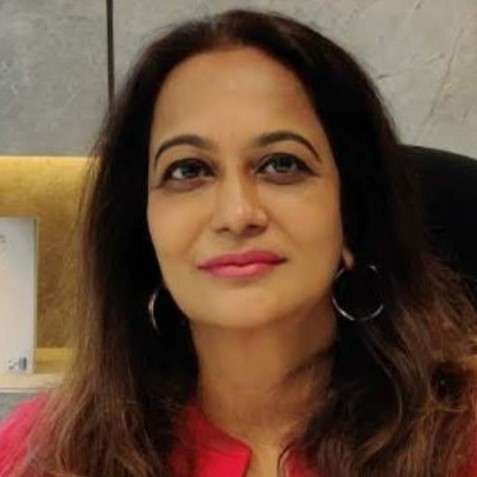
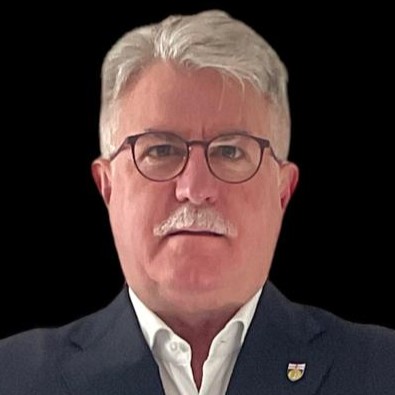
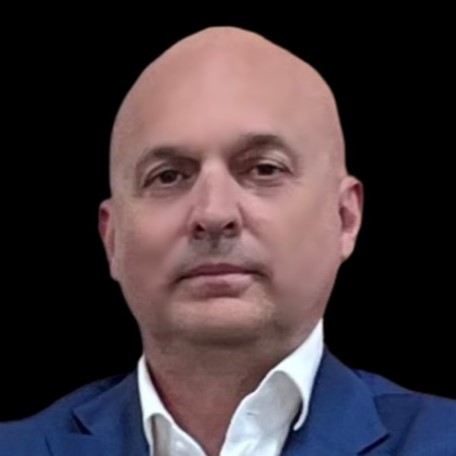
The program faculty includes internationally renowned experts in aesthetic medicine from countries around the world. Teaching staff are selected from members of the University of Genoa and accredited international specialists.
Successful completion of the course and the final examination is rewarded with a certificate: "Postgraduate Diploma in Facial Aesthetics"
and an academic transcript legalized by the Italian government providing 10 ECTS (250 credit hours including 72 hours of theoretical and practical lectures, 153 hours of individual study, and 25 hours of thesis preparation).
This program consists of 4 modules detailed below.
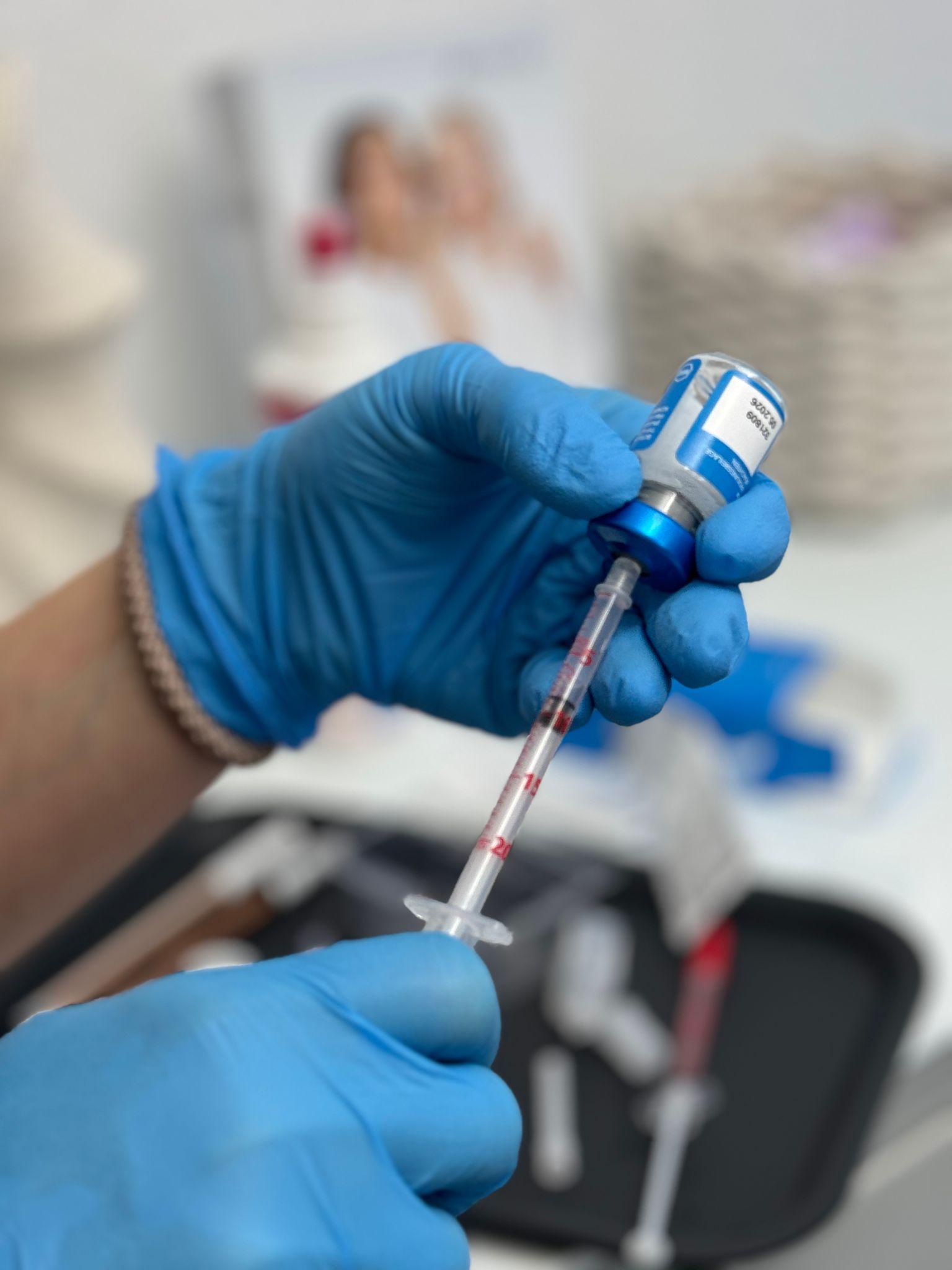
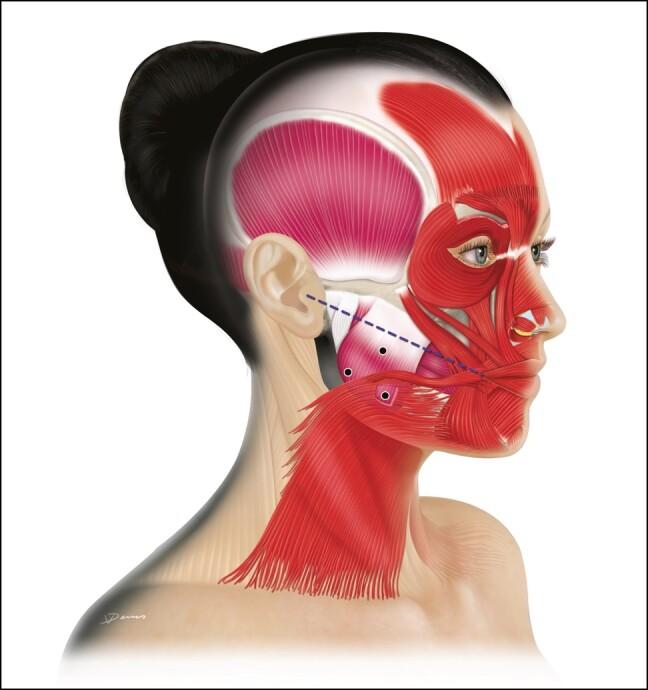
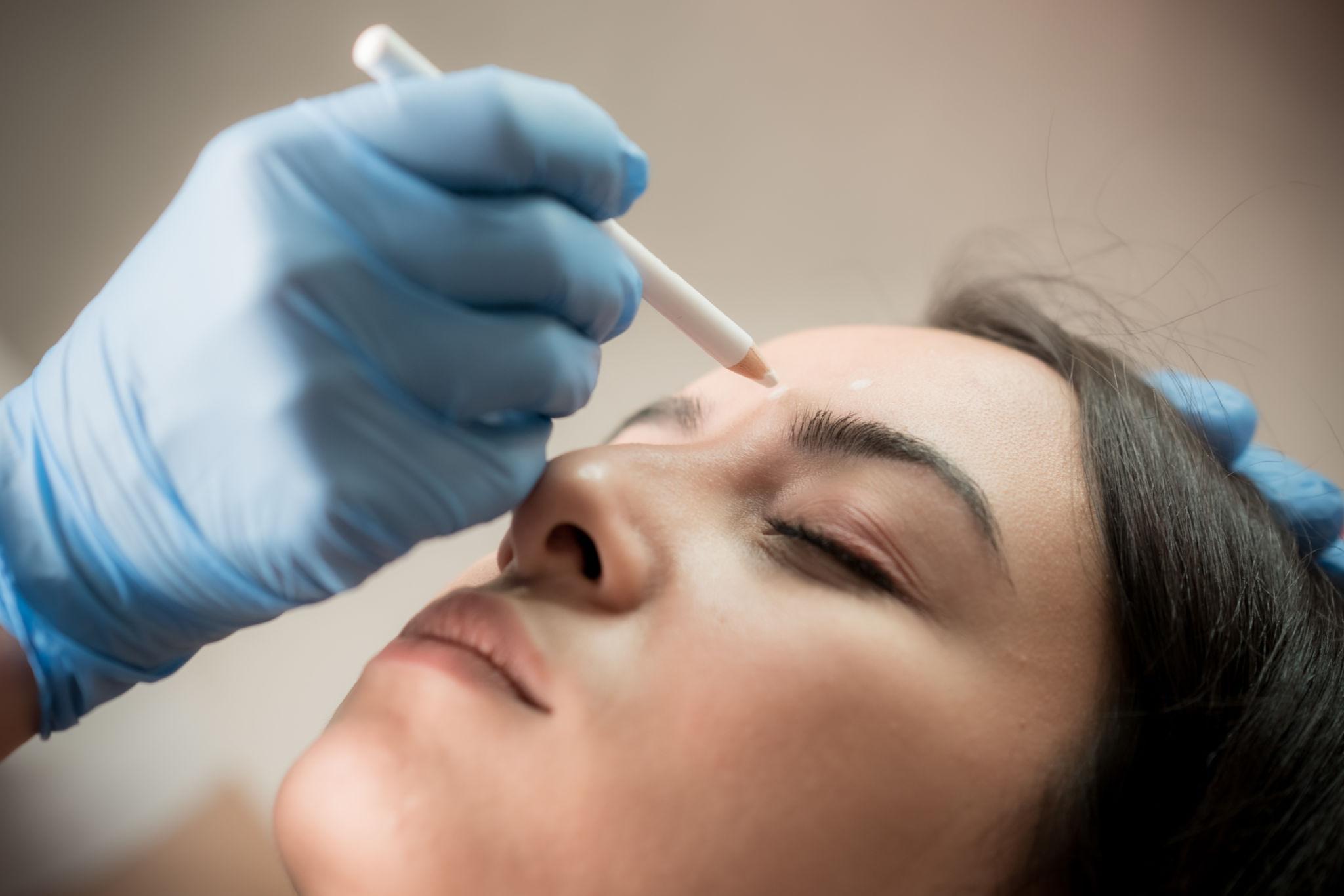
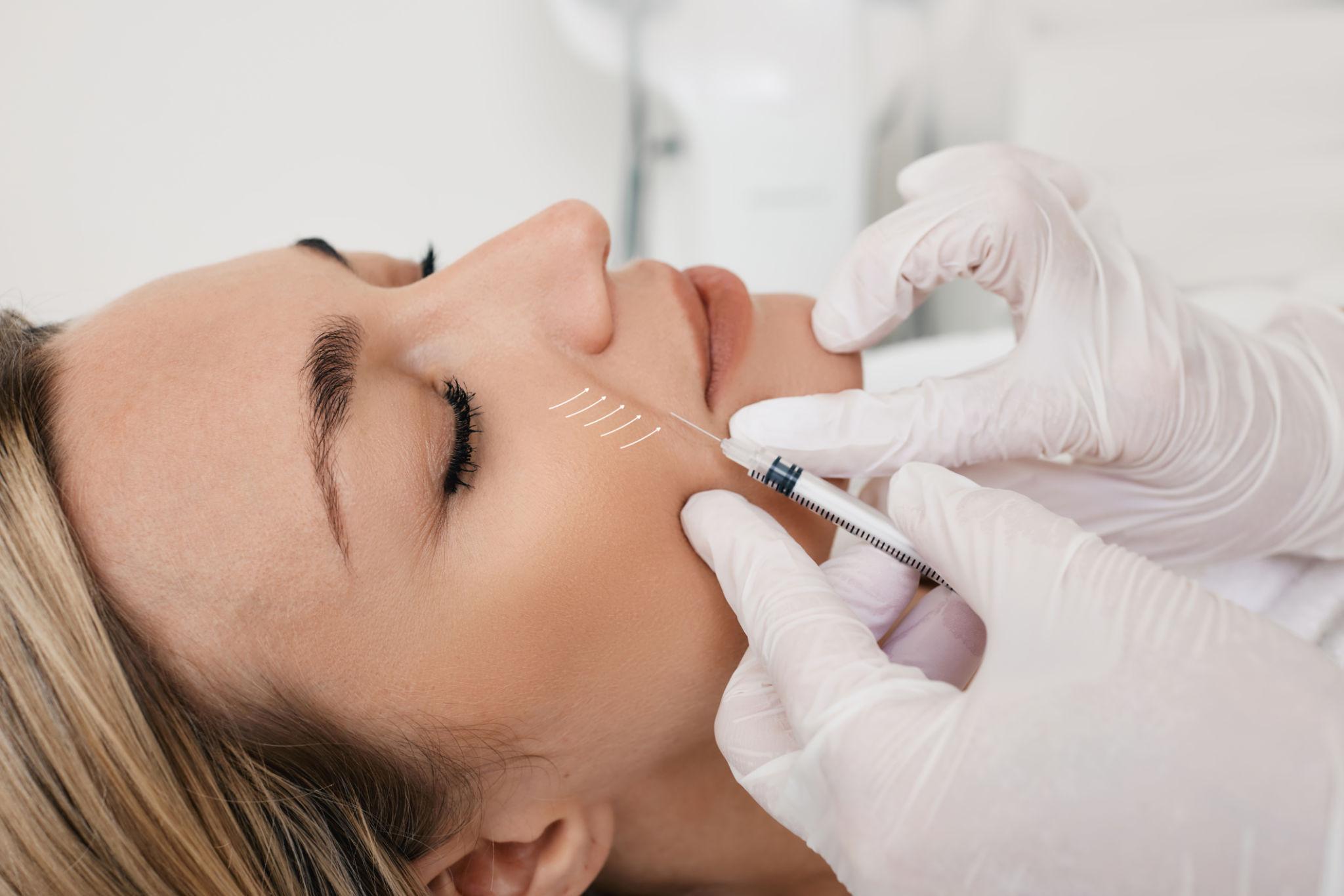
This module offers comprehensive training on the use of Botox in esthetic practice, starting with its history, pharmacology and mechanism of action. It emphasizes the mastery of facial anatomy and facial muscles in order to ensure precise and safe injections. Participants will learn preparation protocols, marking techniques and dosages adapted to the indications of the upper face and Micro Botox. The module also addresses indications and contraindications, management of complications and post-procedure follow-up, allowing the practitioner to provide effective, safe and natural treatments.
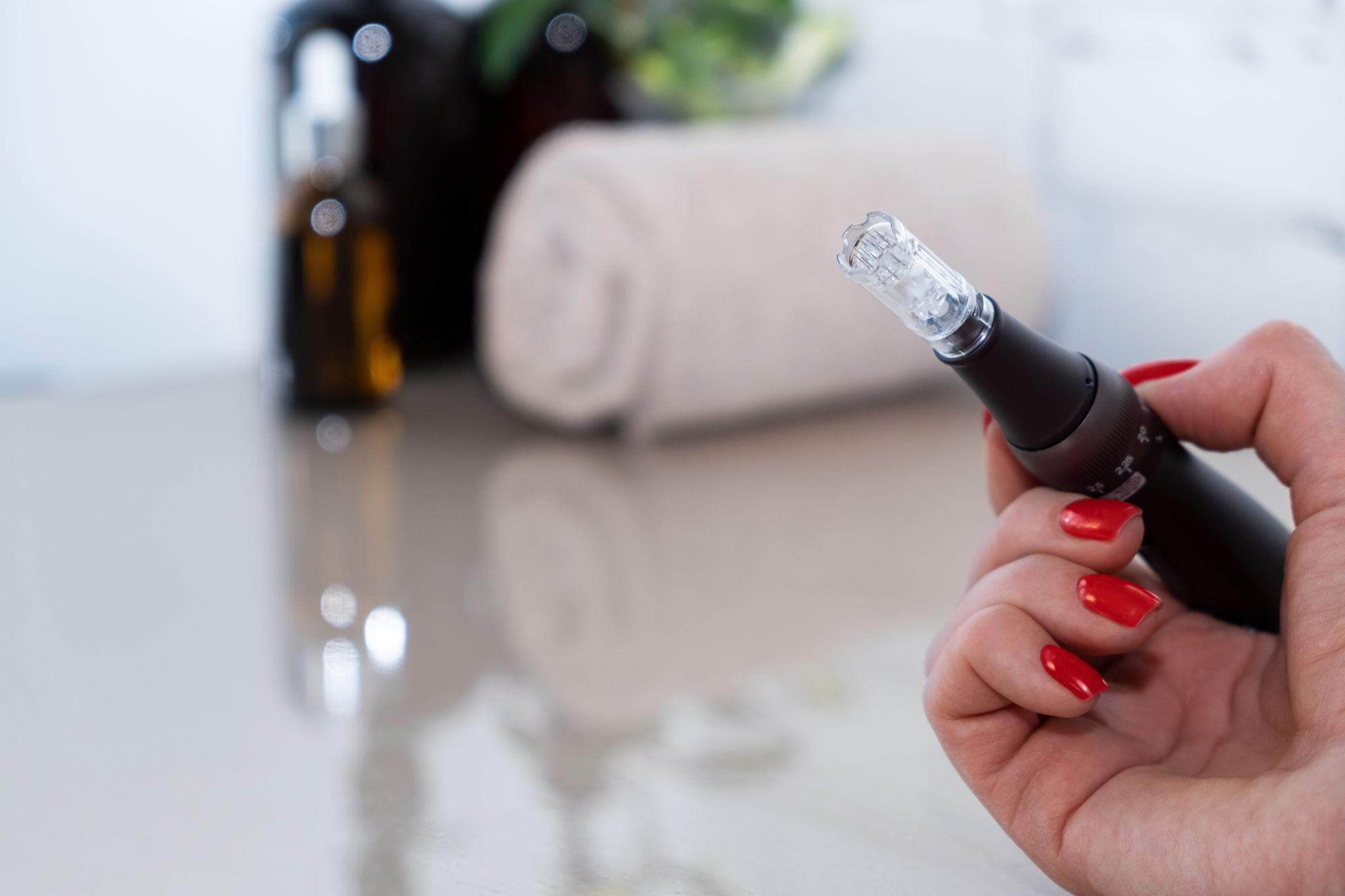
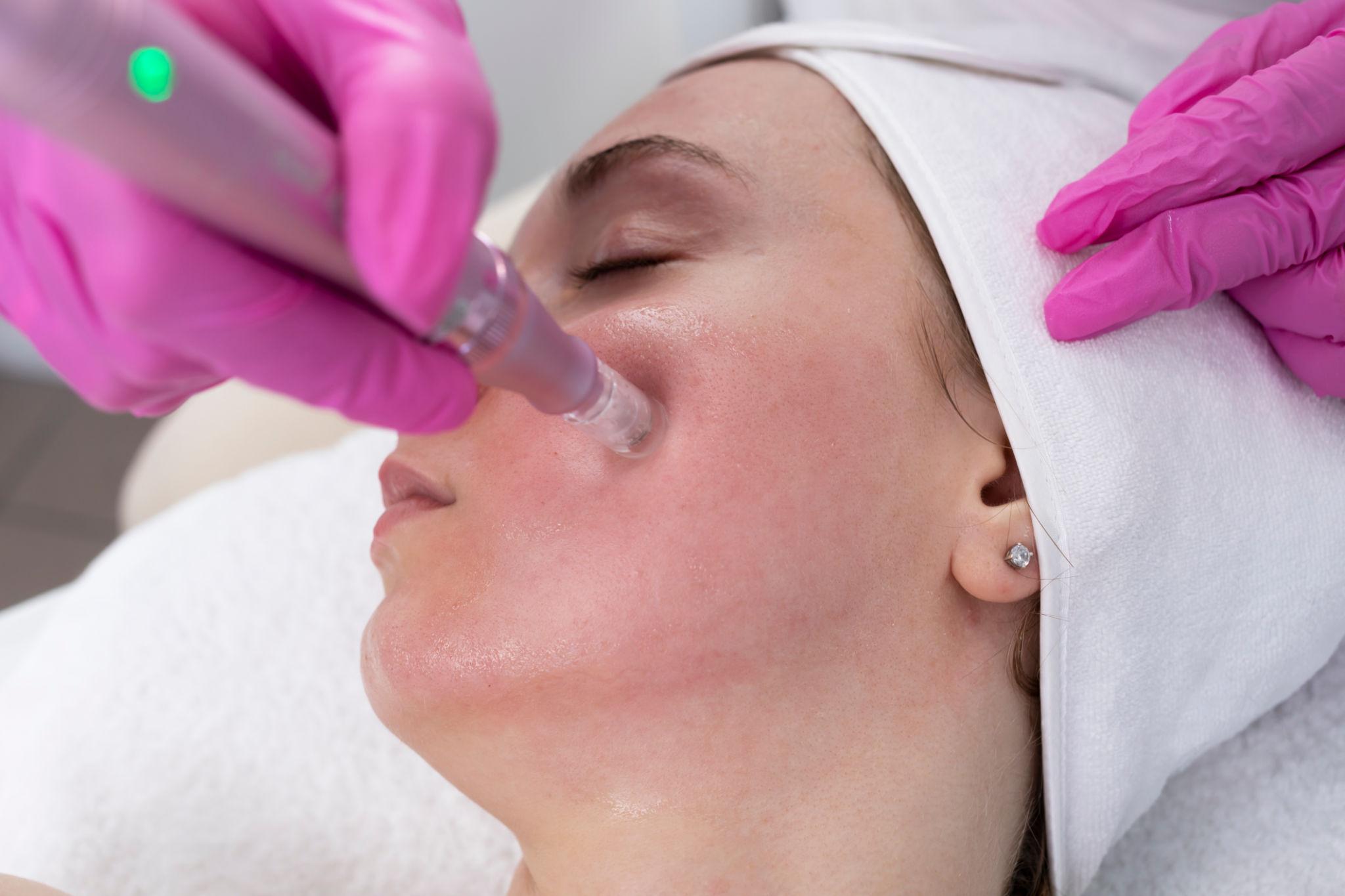
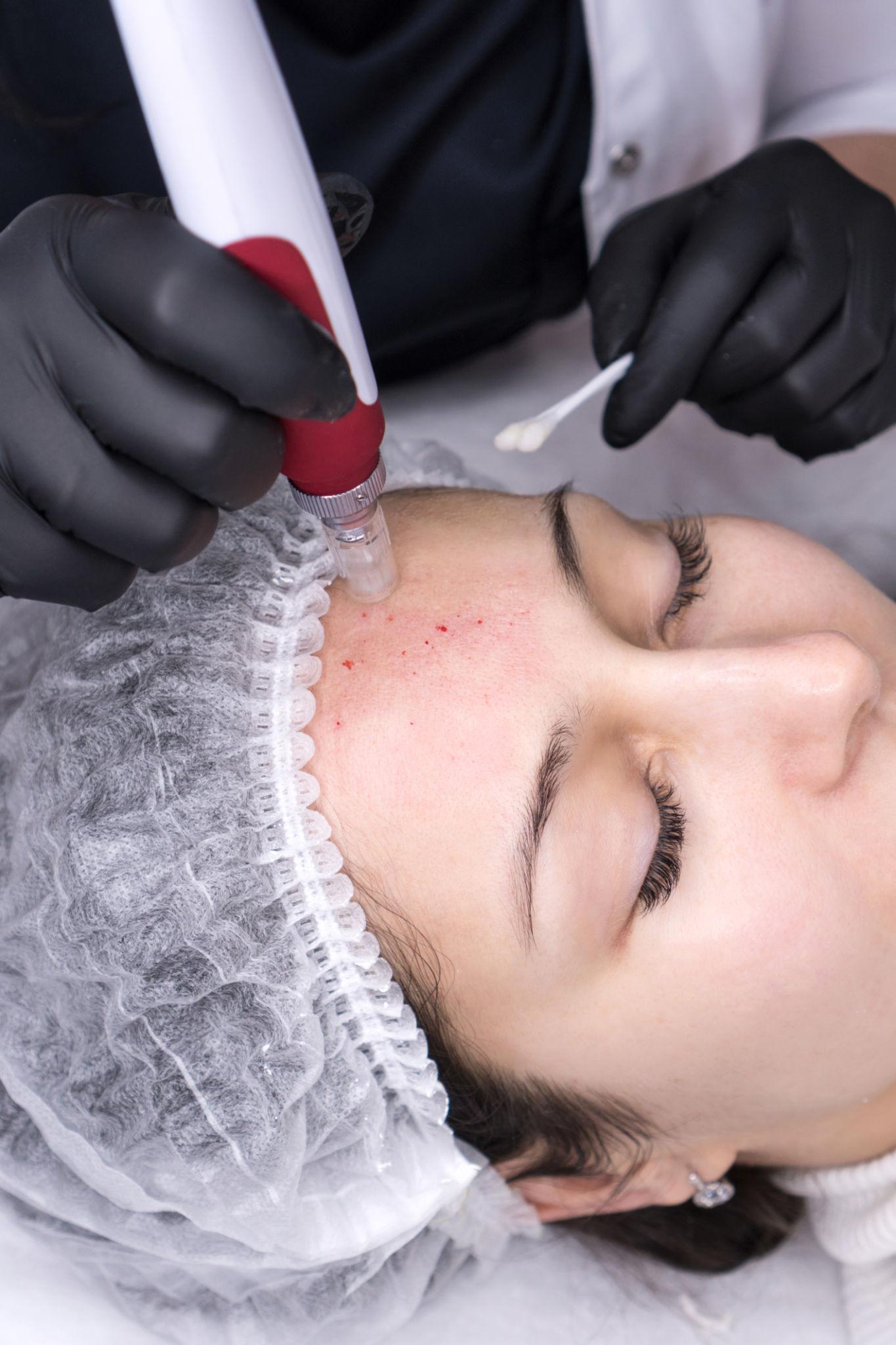
This module offers a comprehensive approach to non-invasive and minimally invasive esthetic techniques, beginning with chemical peels and the fundamentals of skin anatomy. It addresses the causes of pigmentation and acne, the different types and classifications of peels, as well as their indications, contraindications and complications. The practitioner learns to choose the protocol adapted to each patient, to master procedures and post-peel follow-up. The module also incorporates mesotherapy, microneedling (Derma Pen) and their applications for skin, hair and double-chin lipolysis, in order to provide personalized, effective and safe treatments.
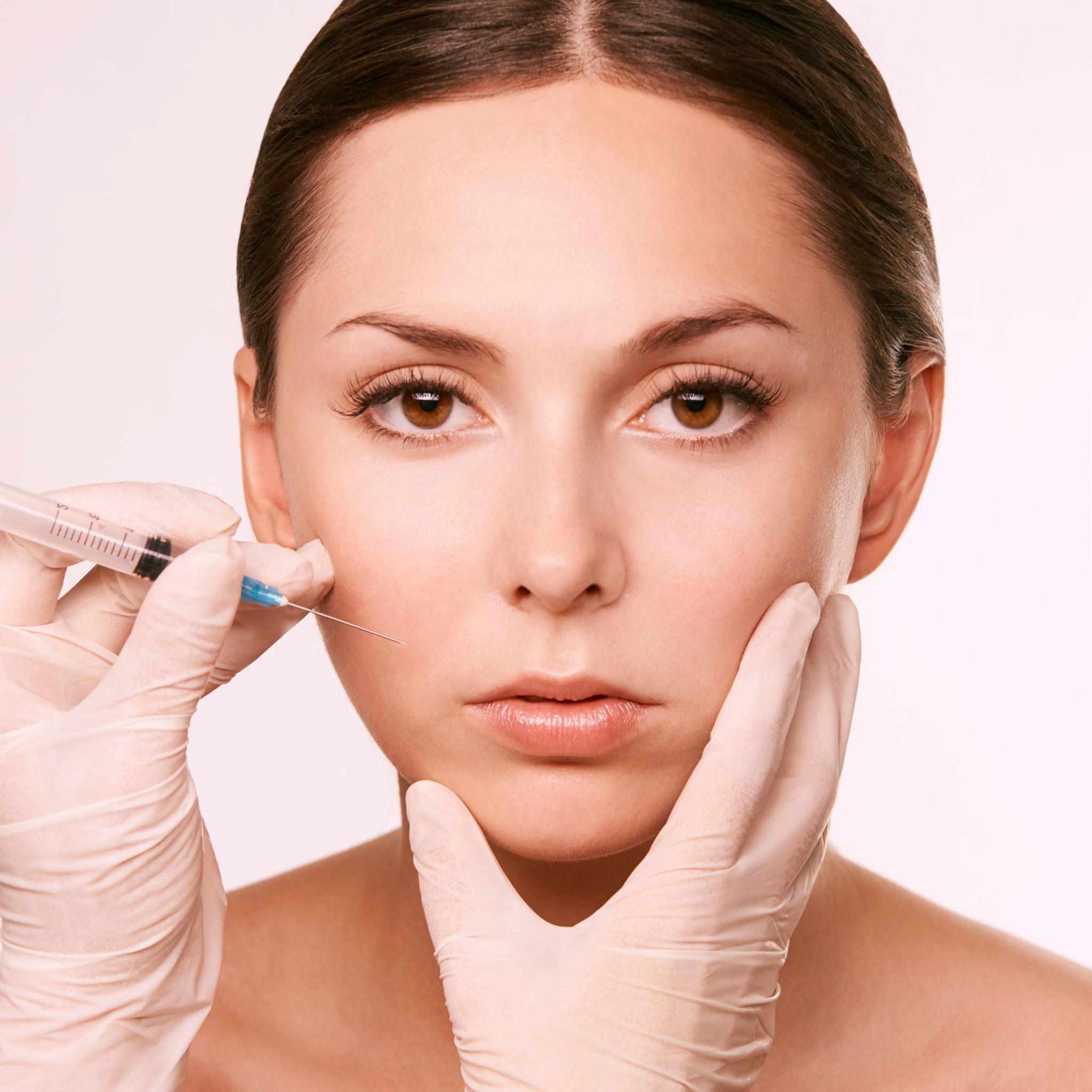
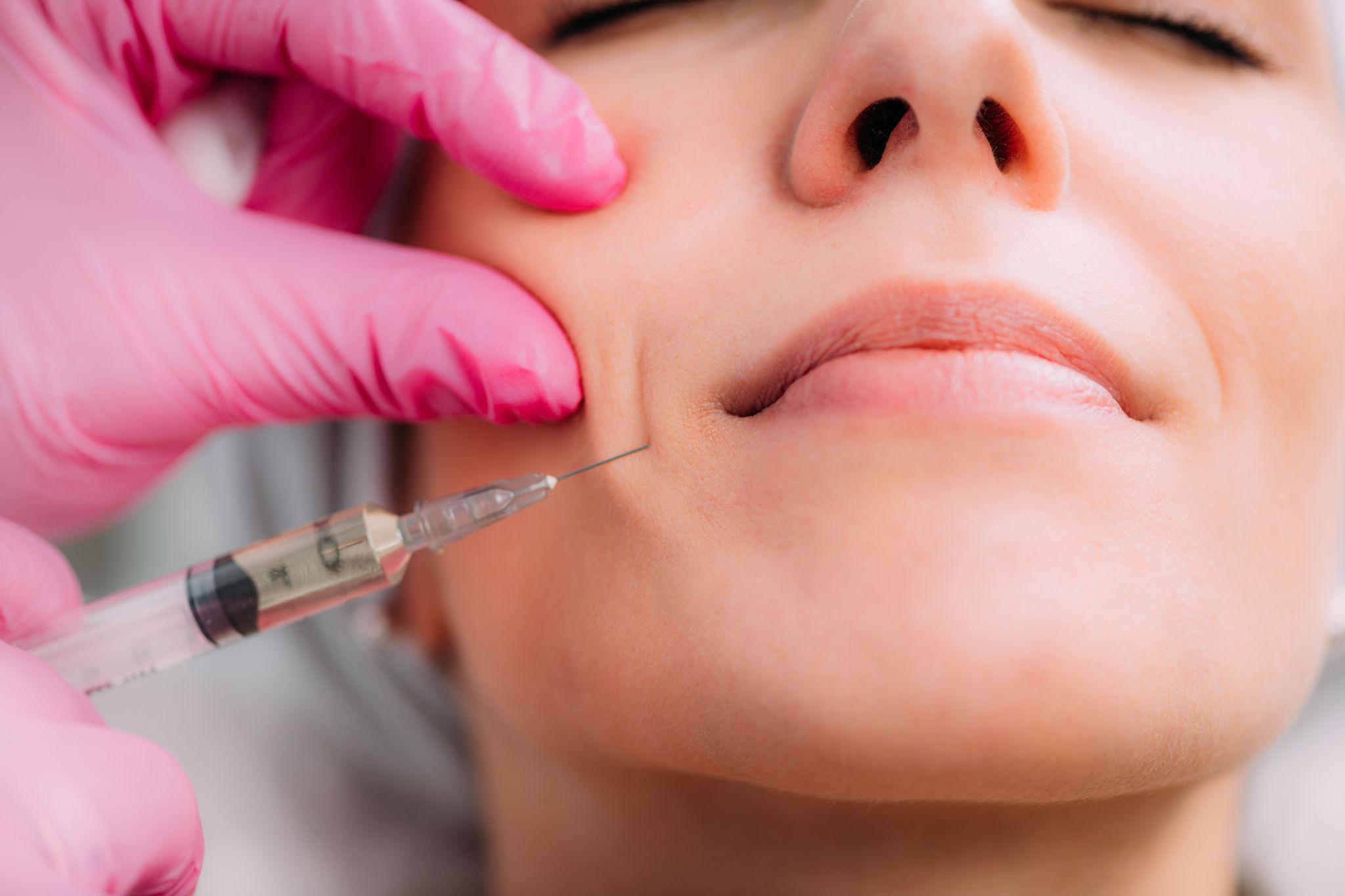
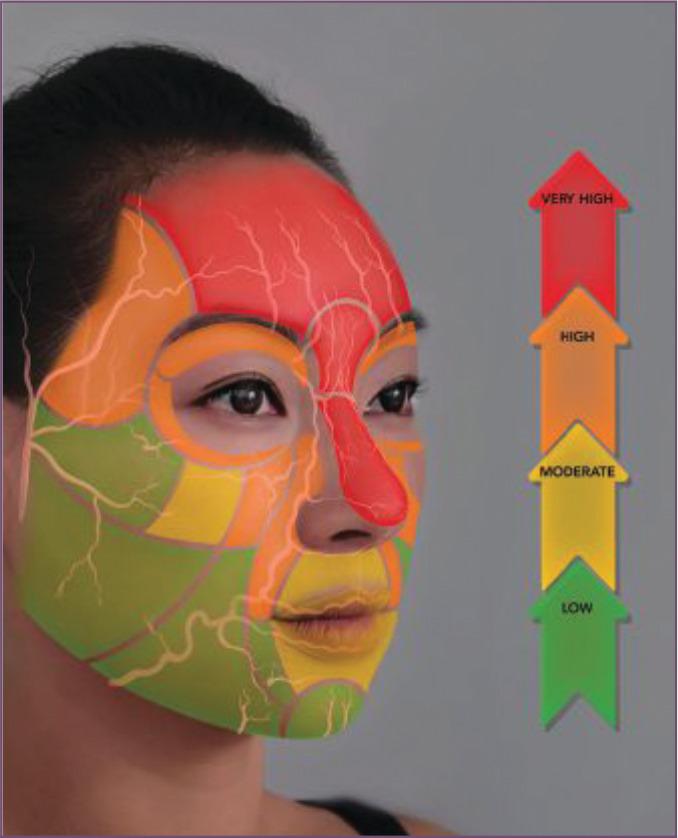
This module provides comprehensive training on dermal filler products, integrating scientific foundations and advanced clinical applications. It begins with an understanding of the physiology of aging and the vascular anatomy of the face, essential for safe injections. Participants will discover the different types of fillers, their rheology and indications, as well as injection techniques adapted to the various areas of the face (mid-face, lips, nasolabial folds). The module also addresses the use of hyaluronic acid-based skin boosters to improve skin quality. Particular attention is given to the prevention, identification and management of complications, including the use of hyaluronidase, to ensure natural, safe and controlled results.
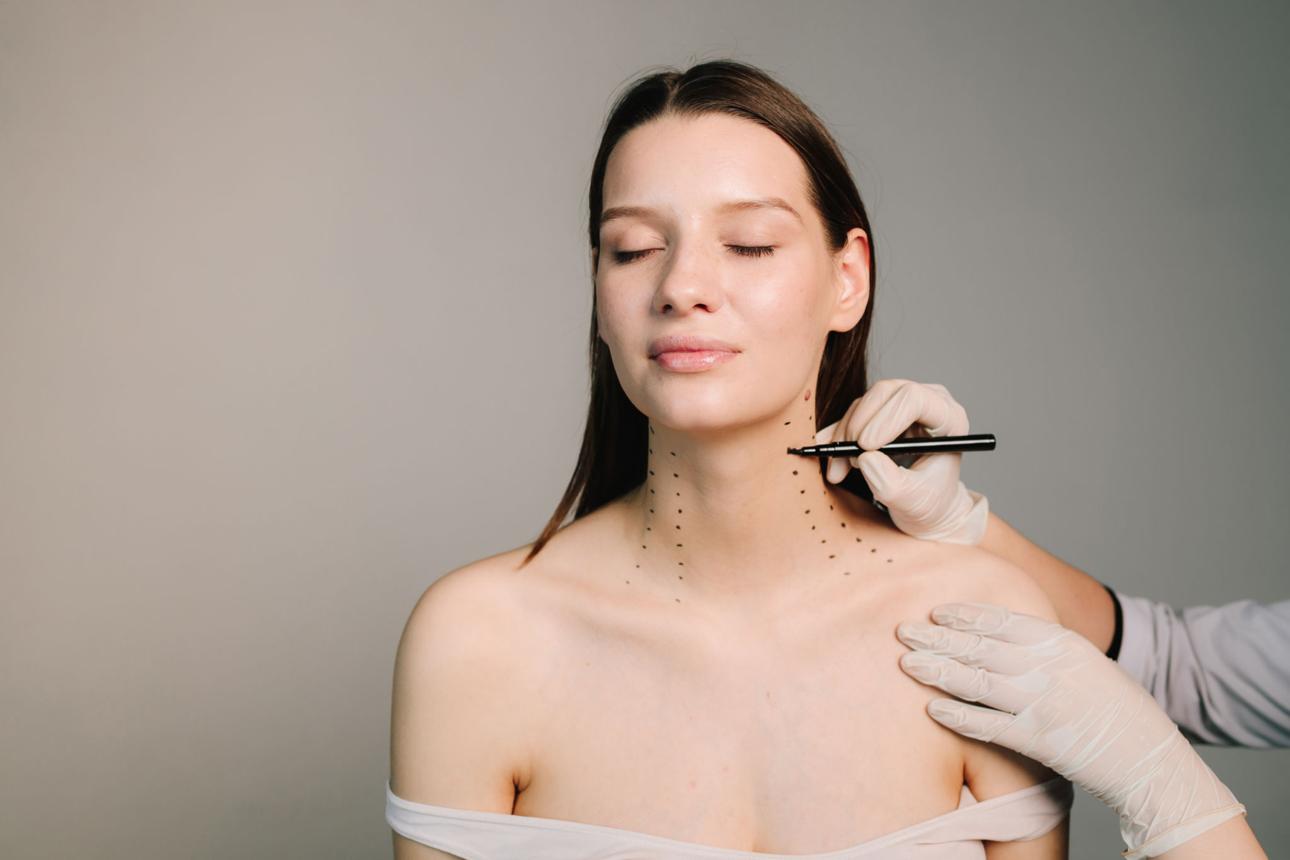
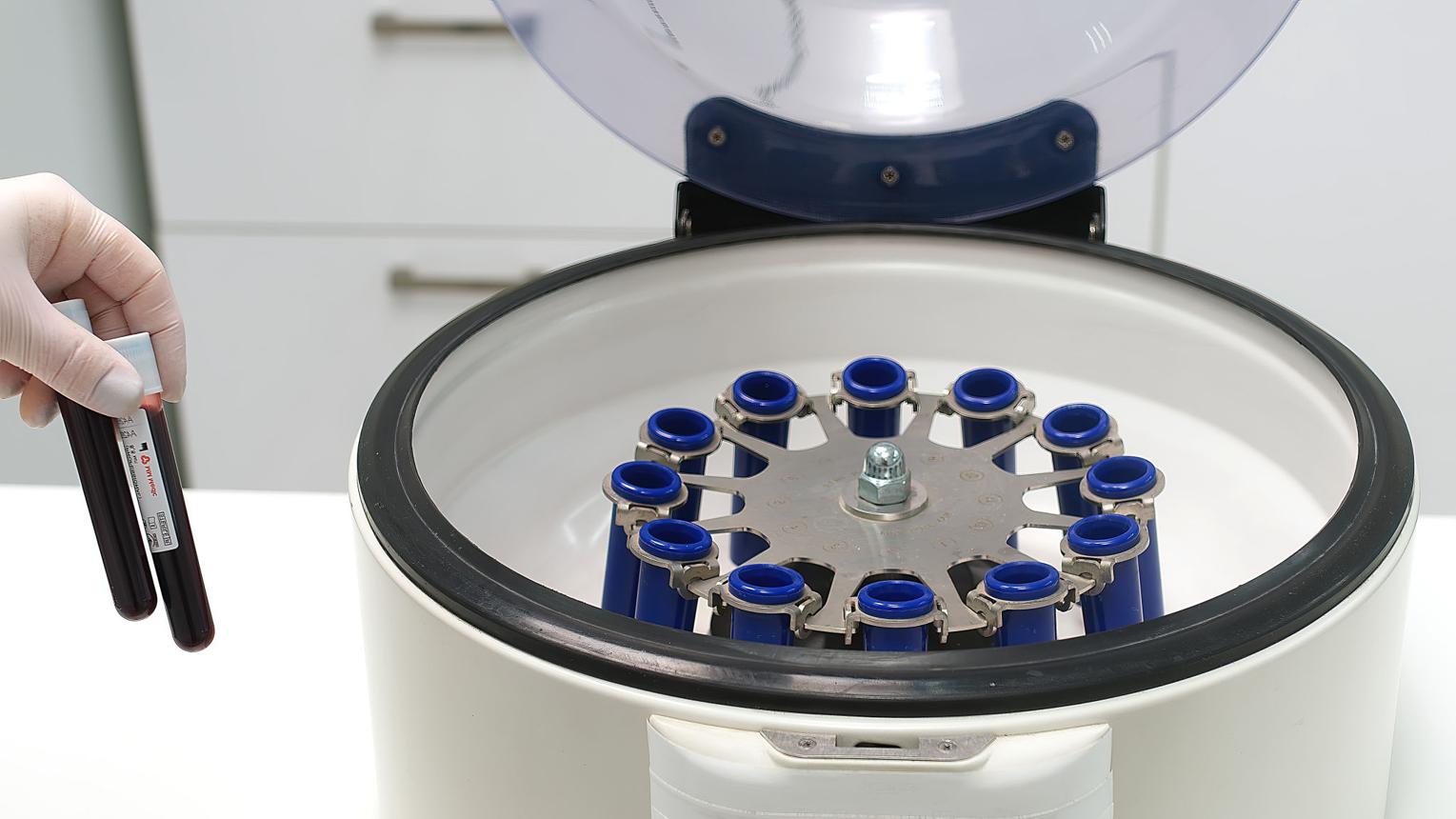
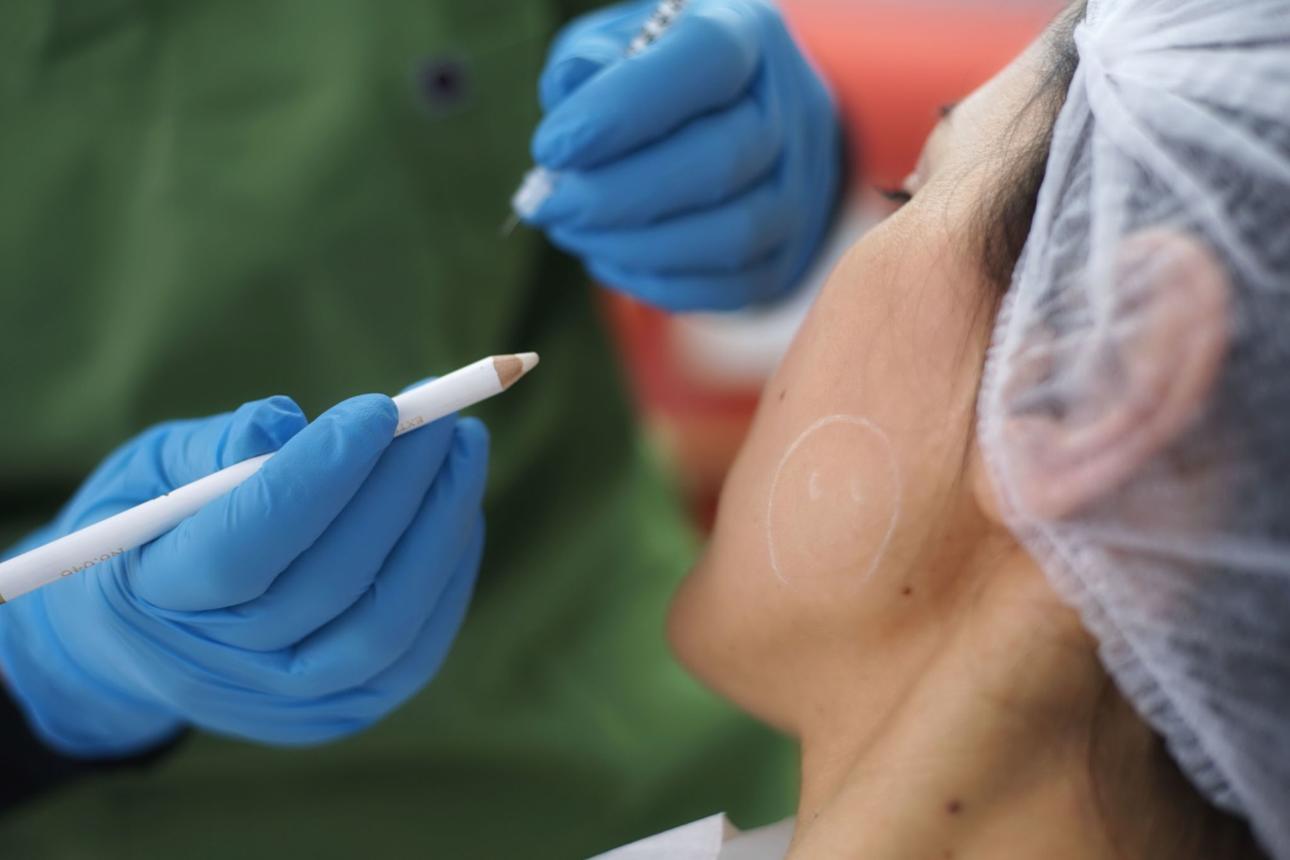
This module addresses advanced applications of botulinum toxin and dermal fillers in a comprehensive approach to facial rejuvenation and therapeutic indications. It explores the treatment of chronic pain, hyperhidrosis as well as specific esthetic techniques such as the Nefertiti lift. Participants will learn to master advanced injections for facial contouring (jawline, chin) and the use of cannulas for harmonious and safe rejuvenation. The module also incorporates the contribution of PRP in improving skin quality, as well as the analysis of clinical cases for better decision-making. The objective is to enable the practitioner to combine different techniques with precision in order to obtain natural, long-lasting and personalized results.
🗓️ Planning: The course is delivered according to a preset schedule, ensuring structured pedagogical progression.
🏥 Practical setting: Practical activities take place in pilot clinics in the Algiers wilaya, providing real clinical immersion when needed.
⚙️ Logistics: All logistics are fully handled by the organiser.
🧰 Materials and equipment: Participants are not required to bring any material:
➡️ All necessary equipment is provided and covered by the organiser.
This setup aims to ensure optimal learning conditions, focused on practice and skill acquisition.
✅ Mandatory attendance: Provide proof of at least 70 hours of attendance
🦷 Clinical assessment: Pass the clinical exam
📝 Final exam (MCQ): Score ≥ 60/100
🎤 Oral presentation: Pass a presentation before the jury
🔄 Resit session: A make-up session will be organised by the university within one month after the final exam
💳 Payment terms: Payment is made by installments, with a balance to be finalized before the end of the training
🌍 Teaching language: Seminars are delivered in French, English or Italian depending on the instructor
➡️ Simultaneous translation into French is provided (headsets included) if necessary
Our partners