Share via
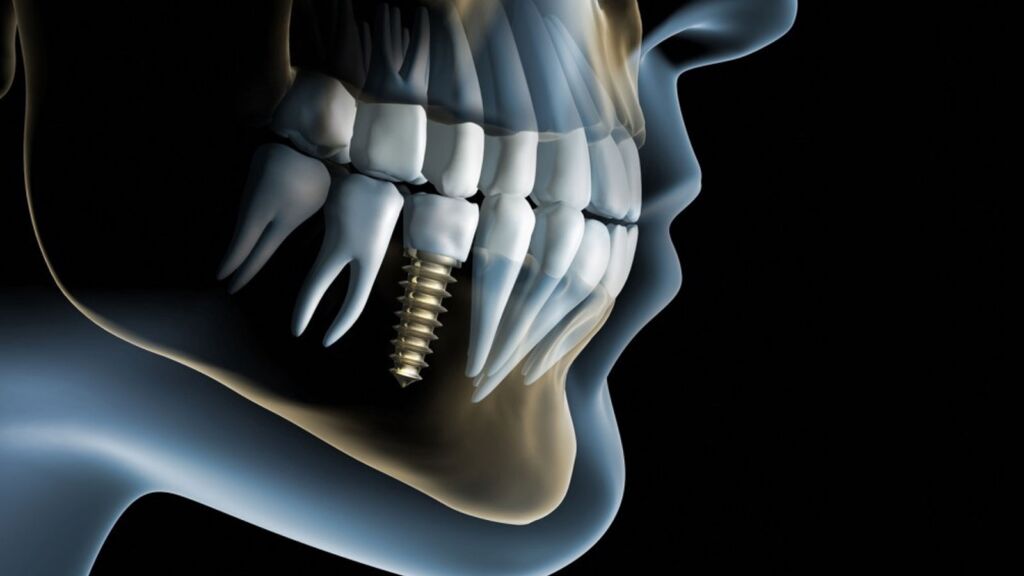
This modular training program aims to provide practitioners with a progressive, rigorous and up-to-date mastery of dental implantology, from the biological and diagnostic foundations to advanced techniques in prosthetic rehabilitation and tissue regeneration.
Across the six modules, participants will be trained to:
* Understand the scientific and anatomical foundations of modern implantology, as well as the evolution of techniques and materials.
* Perform accurate clinical and radiographic diagnosis, develop an appropriate treatment plan, and place implants while respecting anatomical and biological structures.
* Integrate analog and digital workflows, from implant planning to the design of surgical guides.
* Master the various prosthetic phases, from abutment selection to occlusal control, including impressions and adjustment of restorations.
* Manage soft and hard tissues around implants, particularly during immediate post-extraction placement or in contexts of bone defects, applying the principles of regenerative surgery.
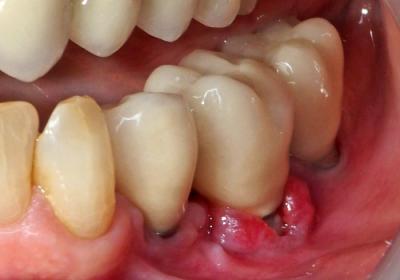
* Prevent and manage biological and prosthetic complications.
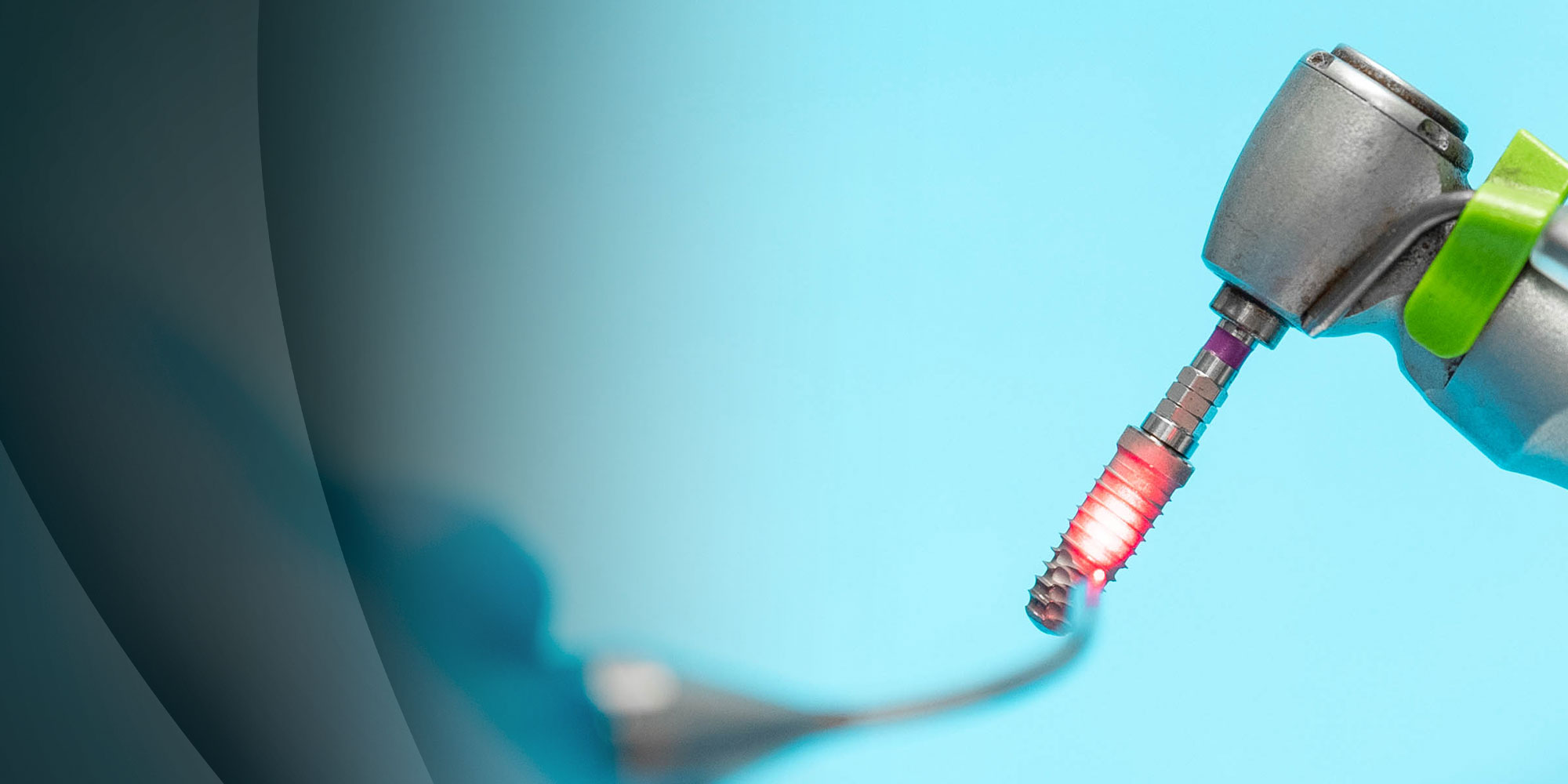
* Explore the integration of laser in implantology to optimize surgical and prosthetic procedures as well as tissue healing.
Each module is enriched with hands-on workshops on educational models and clinical case scenarios, ensuring direct application of acquired skills in daily practice.
In collaboration with the University of Genoa, the Medical Coaching Center offers a University Diploma program designed around a modern, clinical, and international vision of dental medicine.
This curriculum has been developed to provide practitioners with an immersive training experience combining academic excellence, intensive hands-on practice, personalized mentoring, and an approach grounded in the most recent scientific evidence.
The program combines advanced lectures, hands-on practical sessions, clinical coaching on patients, real case analysis, and contemporary therapeutic protocols, enabling participants to immediately integrate the acquired skills into their daily practice.
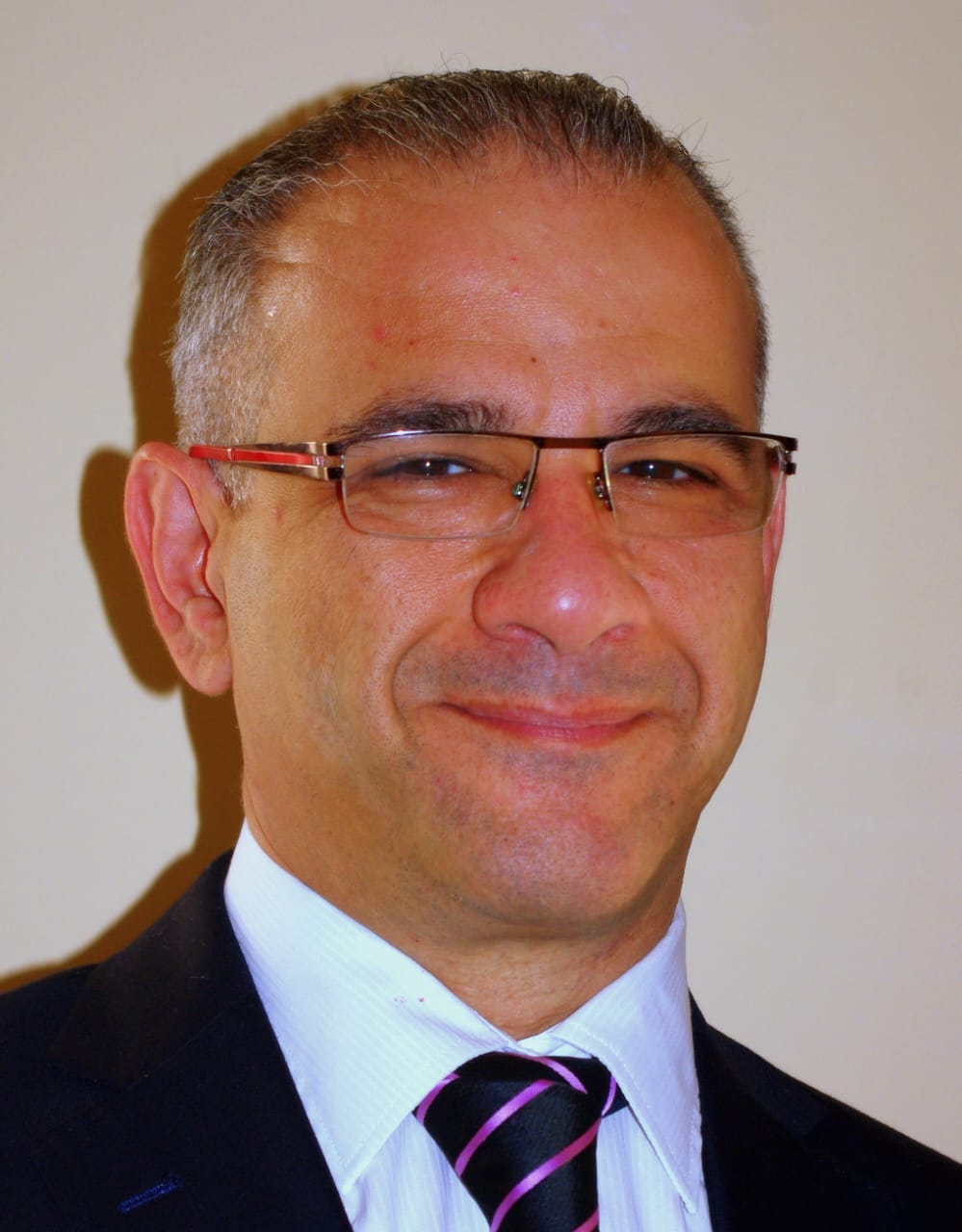
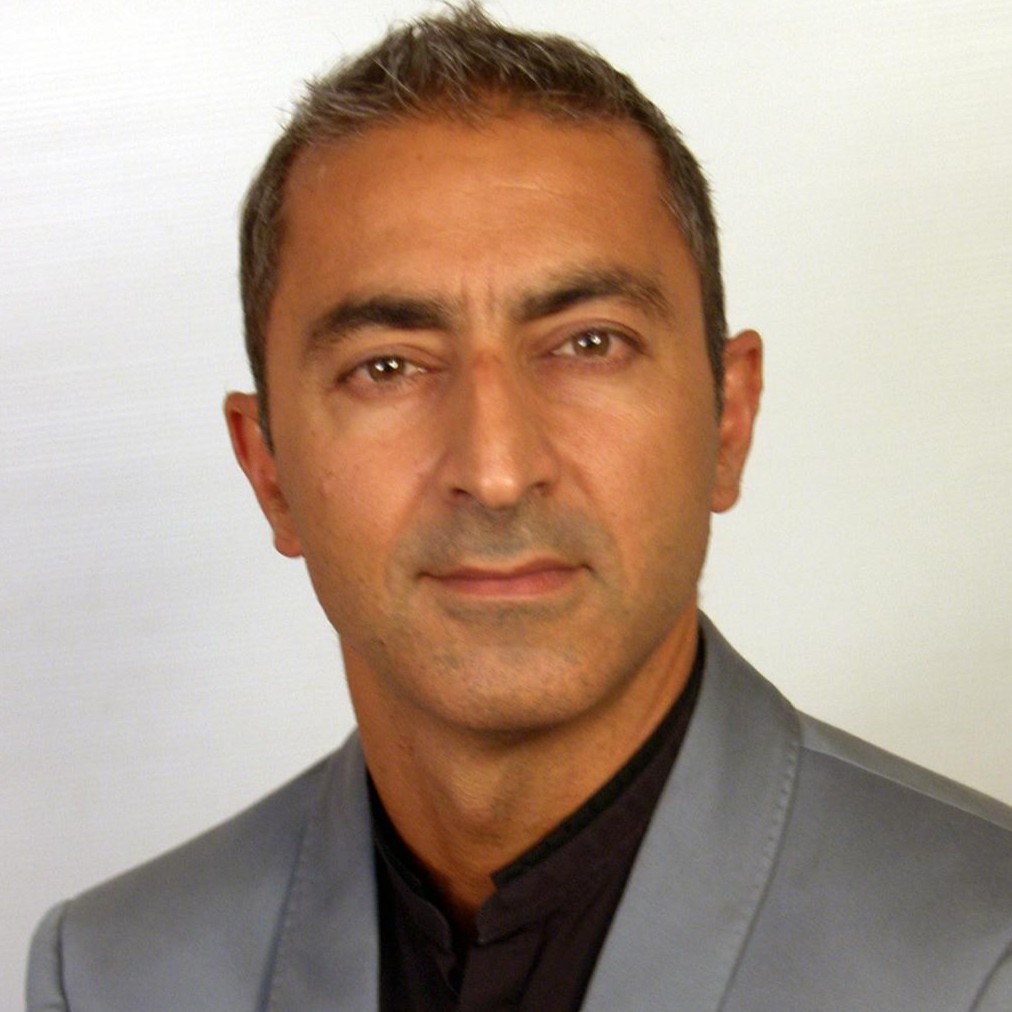
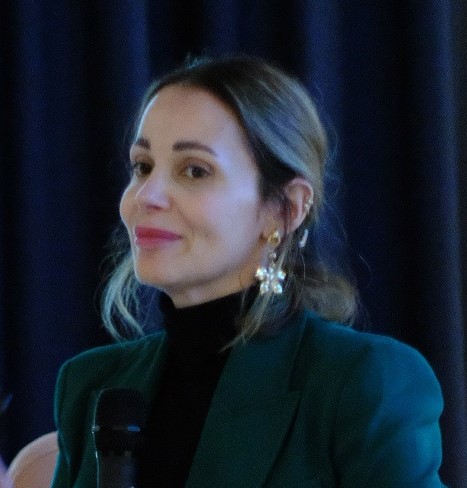
Led by international experts and lecturers, the University Diploma offers a premium learning environment that fosters scientific exchange, clinical development, and professional growth in line with current European standards.
Each participant benefits from structured mentoring, modern educational tools, and immersion within an international network of practitioners committed to excellence and medical innovation.
A training program designed to transform clinical skills, strengthen professional expertise, and pave the way for a new generation of medical and dental practice in Algeria.
This University Diploma is designed for dental surgeons wishing to develop their clinical and scientific competencies according to a modern and international approach. The program is intended for both general practitioners seeking to integrate advanced protocols into their daily practice, and experienced practitioners wishing to refine their techniques, update their knowledge, and evolve toward more specialized practice based on contemporary standards.
The Diploma is also suited to motivated professionals seeking intensive training combining theory, real clinical practice, technological innovation, and personalized mentorship in an environment of academic excellence.
This program consists of 6 modules detailed below.
.jpeg)
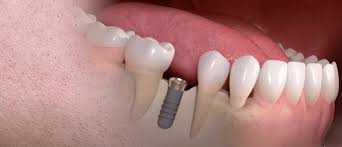
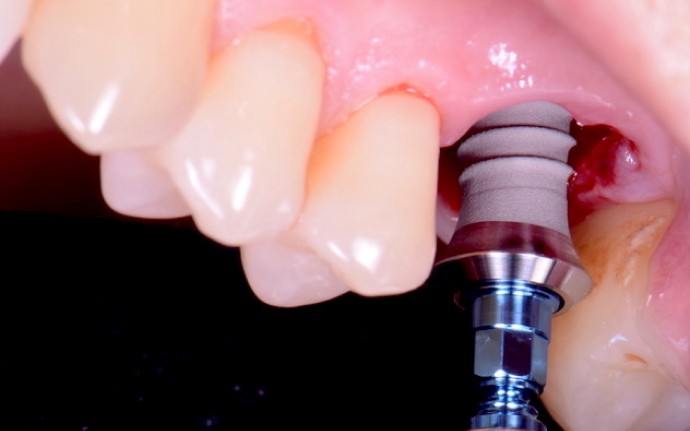
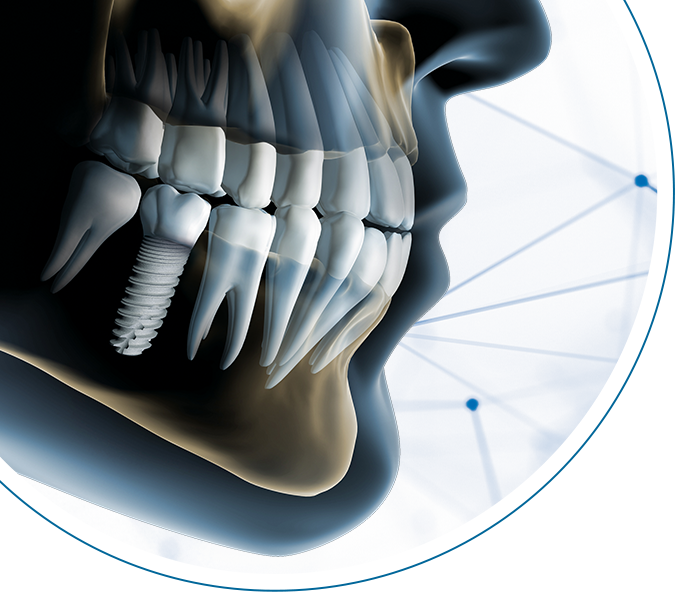
This module offers a comprehensive immersion into the foundations of modern implantology, from its historical evolution to current clinical protocols. Participants will develop an in-depth understanding of implant anatomy, the anatomical pitfalls to avoid, as well as the biological mechanisms governing osseointegration and the interactions between tissues and implants. The training will also address clinical and radiological diagnosis, the development of a rational implant treatment plan, the management of the post-osseointegration phase, as well as the essential surgical principles related to flaps and suture techniques. A modern scientific and clinical approach will enable practitioners to acquire a solid foundation to secure and optimize their implant treatments.
.jpeg)

This module aims to introduce participants to the fundamental principles of digital workflow in modern implantology, while establishing the essential connections with conventional analog protocols. Participants will learn to integrate CBCT acquisitions and clinical data into a coherent, reliable and reproducible digital approach. Particular attention will be given to the most common errors in the digital workflow, ways to anticipate them, as well as guided implant planning protocols. The module will also cover the principles of design, indication and use of the surgical guide in order to improve the accuracy, safety and predictability of implant treatments.
.jpeg)
.jpeg)
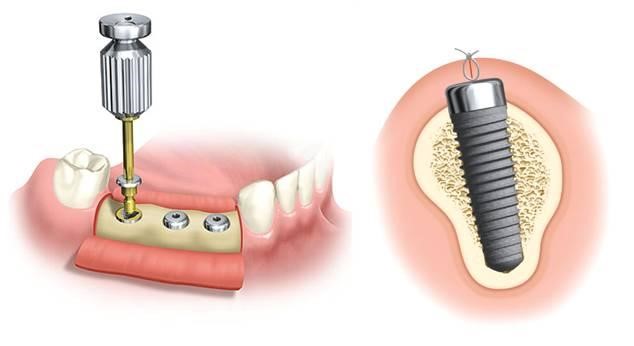
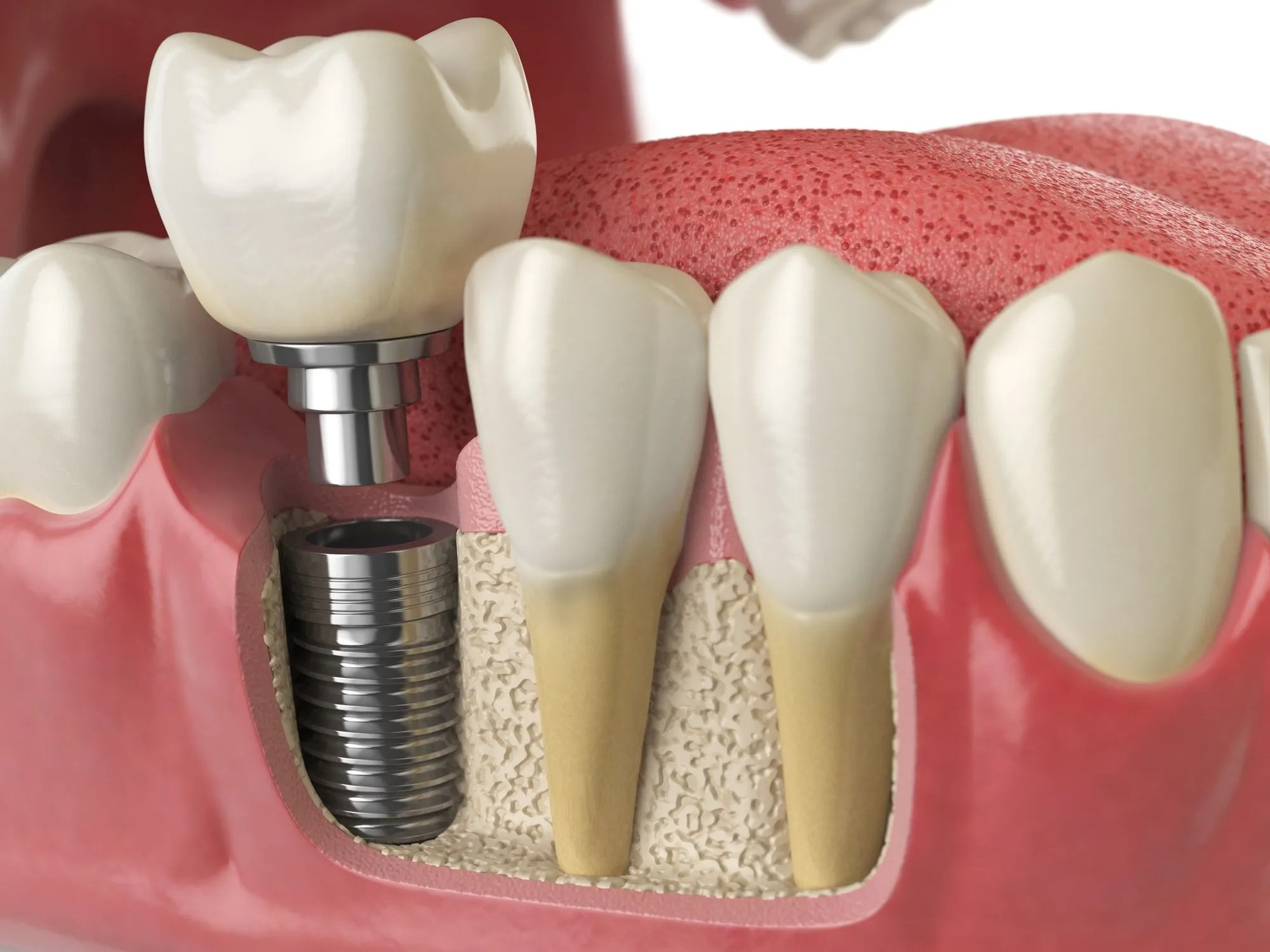
The healing abutment and the choice of prosthetic abutment. The supra-crestal complex and emergence profile management. Occlusion and prosthetic loading. Impressions: open-tray, closed-tray, digital impression. Impression materials and their accuracy. From the single crown to the full-arch prosthesis: prosthetic materials, fit and passivity. Prosthetic complications.
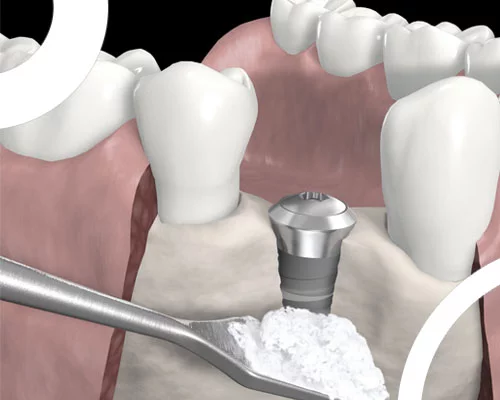
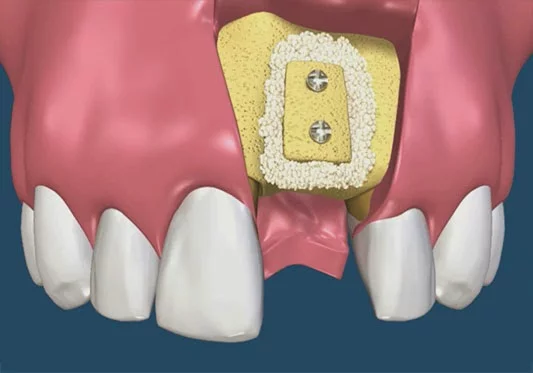
This module offers an in-depth approach to bone and tissue regeneration techniques applied to modern implantology. Participants will discover the biological principles of tissue proliferation as well as the various grafting procedures used for the management of limited, segmental or major bone defects. The program will address the classification of membranes, surgical protocols, clinical indications, as well as the advantages, limitations and pitfalls to avoid during guided tissue regeneration procedures. Particular attention will be given to the anatomy and histophysiology of the maxillary sinus, sinus lift techniques and biomaterials used in pre-implant surgery. Finally, the module will address biological implant complications, particularly peri-implantitis, through an approach based on current scientific literature and clinical analysis of prevention and management strategies.
.jpeg)
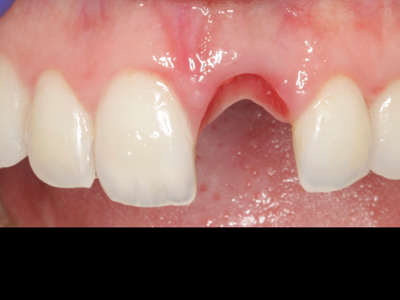
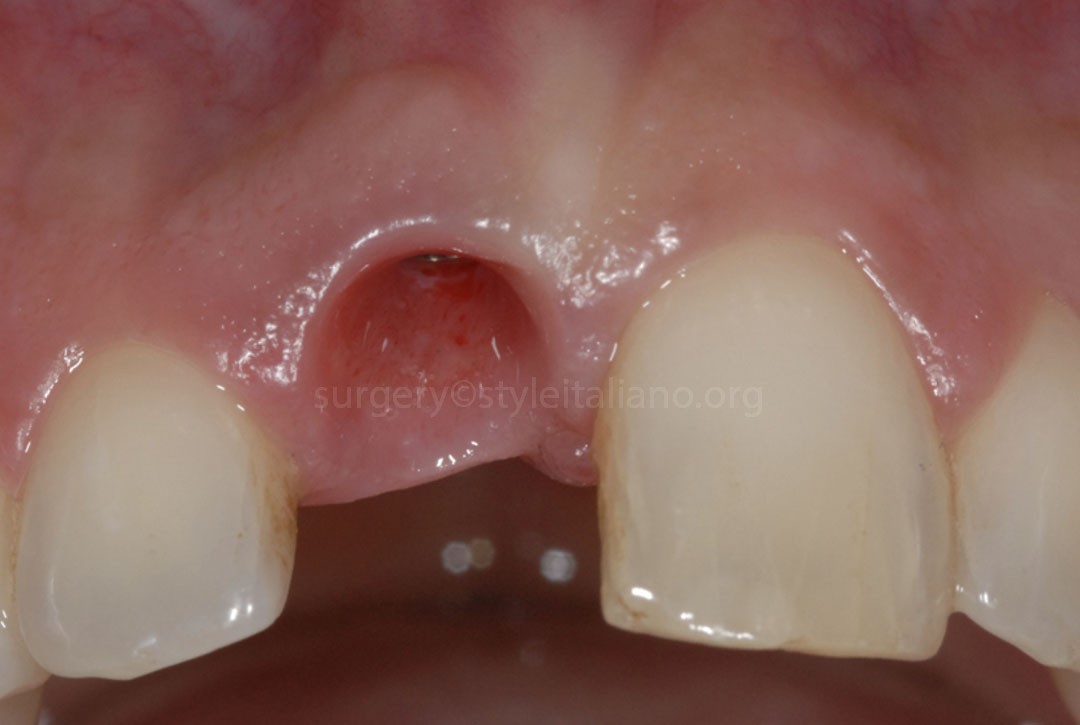
This module is dedicated to soft tissue management and the esthetic and biological optimization of immediate implant treatments. Participants will understand the importance of connective tissue in peri-implant stability and will learn the various tissue augmentation techniques, including coronally advanced flaps, pedicle flaps and connective tissue grafts. The program will also cover the management of the post-extraction socket, the indications and protocols of immediate implants, as well as the regeneration techniques for post-extraction defects. Particular attention will be given to the principles of immediate loading, the preservation of peri-implant tissues and the prevention of prosthetic complications in order to ensure predictable functional and esthetic results in the long term.
.jpeg)
The programme places strong emphasis on real clinical practice, enabling participants to develop skills that are immediately applicable in their daily practice. Through an immersive approach combining intensive hands-on training, clinical demonstrations, real-case analysis and supervised coaching on patients, participants evolve in an environment close to modern practice conditions. The aim is to go beyond traditional theory and offer a concrete, structured pedagogical experience focused on mastering clinical protocols aligned with current international standards.
A step up in professional standing.
This programme is designed to help practitioners raise their clinical, scientific and professional level in line with a modern international vision.
Provide proof of at least 70 hours of attendance.
Score 60/100 or higher on the final exam (MCQ).
Oral presentation of 5 clinical cases.
Seminars will be delivered in English, Italian and French, depending on the scheduled instructor; in the latter case, they will be translated SIMULTANEOUSLY into French (with headsets).
It is recommended to have a computer (laptop or desktop) for practical sessions with a minimum configuration that will be communicated later.
Our partners