Orthodontics (Dentist)

Basic & advanced orthodontics

Modern orthodontics is currently undergoing major evolution and addresses both children and adults, with a growing demand for treatments that are at once functional, aesthetic and minimally invasive. Technological advanc...

17 Sep 2026 — 10 Apr 2027
15 jours
Hyatt Regency Hotel, Alger
In person
6 modules
1 formateur

Our speakers

Program presentation

Modern orthodontics is currently undergoing major evolution and addresses both children and adults, with a growing demand for treatments that are at once functional, aesthetic and minimally invasive. Technological advances, digital orthodontics, clear aligners and aesthetic techniques have profoundly transformed contemporary orthodontic care.

This complete orthodontic training cycle, from foundational to advanced level, has been designed to enable practitioners to progressively acquire theoretical and clinical mastery of the various modern orthodontic approaches. The program covers the fundamentals of orthodontic diagnosis, cephalometry, biomechanics, occlusion, biomaterials and therapeutic protocols, while integrating advanced techniques in aesthetic, lingual and digital orthodontics.

Through a pedagogical approach combining theoretical lectures, case studies, digital planning and hands-on workshops, participants will develop the skills required to deliver predictable, modern orthodontic treatments tailored to the aesthetic and functional expectations of today's patients.
Target audience

This program is designed for general practice dental surgeons as well as first-year orthodontia residents wishing to elevate their practice to a higher level.

Modules overview

Module 1

Organize Your Practice from Beginner to Professional Upcoming

17/09/2026 — 19/09/2026
3 jours
Hyatt Regency Hotel, Alger
In person
Obligatoire

This module offers a comprehensive and structured approach to orthodontic diagnosis and management, starting with the fundamentals of orthodontics and the key diagnostic steps (history-taking and clinical examination), supplemented by a standardized photography protocol. It then introduces fixed appliances, detailing the organization of their placement, the different types of brackets and their classification, as well as all of their components, including orthodontic archwires, elastics and auxiliaries. The objective is to provide the practitioner with a clear, rapid and professional vision for establishing an accurate diagnosis and initiating effective treatment.

  • Introduction to orthodontics
  • Diagnosis (case history and clinical examination)
  • Photography FIXED APPLIANCE (Setup organization for your appliance)
  • Brackets (types and classification)
  • Components of fixed appliance
  • Orthodontic wire
  • Elastics
  • Auxiliaries
Module 2

Advanced Concepts Upcoming

15/10/2026 — 16/10/2026
2 jours
Hyatt Regency Hotel, Alger
In person
Obligatoire

This module deepens the scientific and clinical foundations of orthodontics, with emphasis on understanding cephalometry and the mechanisms of tooth movement. It covers cephalometric analysis, the biology of tooth movement, and strategies for optimizing and accelerating movements through controlled biomechanics and rigorous anchorage management. The practitioner will also discover the principles of developing a personalized treatment plan, incorporating mini-screws (direct and indirect anchorage) as well as the various approaches for gaining space, with or without extraction (slicing, distalization, derotation). The objective is to enable precise and adaptable decision-making, from beginner level through to expert practice.

Advanced Concepts: understanding how to read a cephalometric radiograph and how to move a tooth:

Cephalometric Examination

Tooth Movement

  • Biology of tooth movement
  • How to accelerate tooth movement?
  • Biomechanics
  • Anchorage

Orthodontics Your Way… From Beginner to Expert Level

Treatment Plan

  • Mini-screw anchorage (direct and indirect anchorage)
  • Space gain (approaches with or without extraction)
  • Extraction, slicing (interproximal reduction), distalization and derotation


Module 3

Overcoming the Problem: Effective Management Upcoming

12/11/2026 — 13/11/2026
2 jours
Hyatt Regency Hotel, Alger
In person
Obligatoire

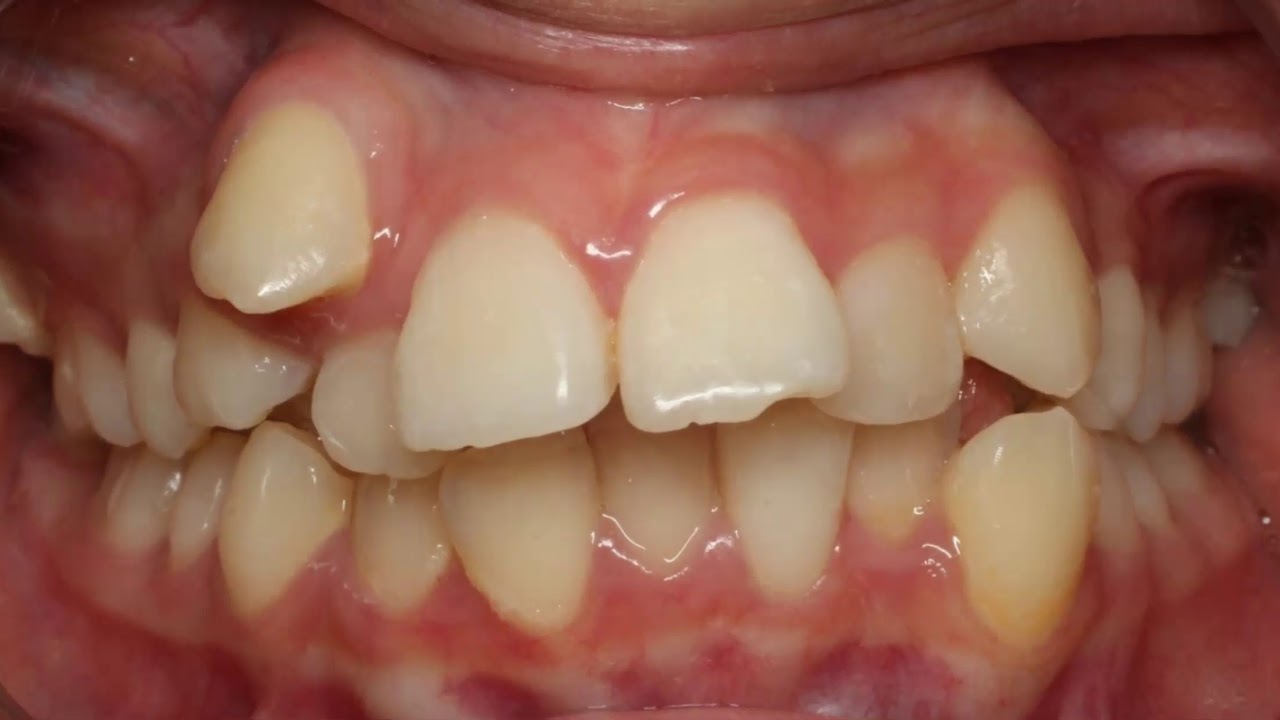
This module focuses on the effective management of the main malocclusions and complex clinical situations in orthodontics. It addresses Class I cases with crowding, crossbites, bimaxillary cases, spacing and diastemas, as well as the management of impacted teeth in relation to periodontal considerations. Particular attention is paid to the multidisciplinary approach, especially in adults and in cases of hypodontia involving implantology. The module also covers vertical control, distinguishing the strategies suited to deep bite (intrusion vs extrusion) and to anterior open bite according to its skeletal or dental origin, in order to ensure precise, stable treatments tailored to each clinical situation.

Overcoming problems, effective management 

Class I – Malocclusion 

  • Crowded teeth (overlapping) 
  • Crossbite 
  • Bimaxillary 

Multidisciplinary approach (Adult orthodontic module) 

  • Hypodontia (relationship between orthodontics and implantology) 
  • Spacing, diastemas 
  • Impacted teeth & ortho-periodontal relationship 

Vertical overbite management 

  • Supraocclusion (deep bite): intrusion vs extrusion 
  • Anterior open bite: skeletal vs dental origin
Module 4

Dentofacial Orthopedics (Ortho – Pedo) Upcoming

10/12/2026 — 11/12/2026
2 jours
Hyatt Regency Hotel, Alger
In person
Obligatoire

This module addresses the management of skeletal problems in orthodontics, providing a clear and strategic vision of Class II and Class III malocclusions. It explores the various therapeutic options, ranging from myofunctional appliances (Twin Block, Monobloc) to fixed, extra-oral and hybrid devices, while detailing occlusion recording techniques and digital approaches. Concepts of camouflage, space closure and advanced biomechanics (mini-screws, lever arms, elastics) are also developed to optimize results. For Class III, the module analyzes the indications and effectiveness of devices such as the facemask, MARPE, and chin cup, drawing on current scientific evidence. The objective is to enable the practitioner to choose the most suitable technique for each case and to master modern, high-performing protocols.

Skeletal problems… How to manage them?

Class II Malocclusion 

  • Myofunctional appliances (Twin block vs Monoblock) 
  • Tips for occlusal registration 
  • Digital Twin block 
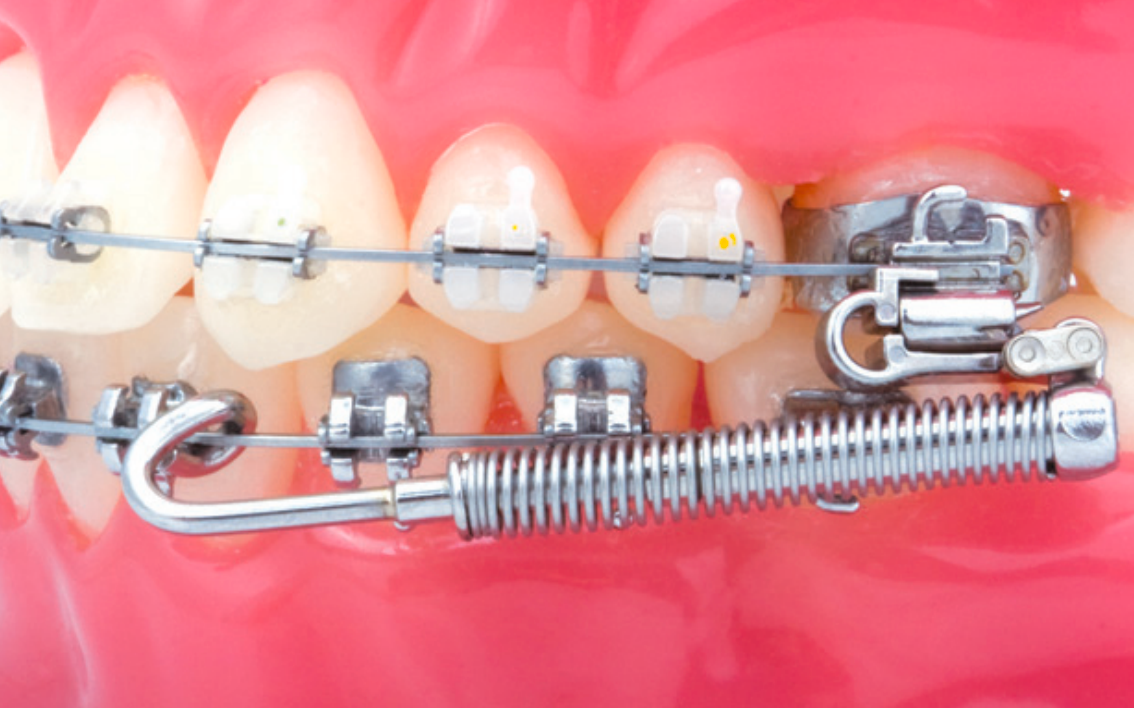
  • Fixed functional appliances 
  • Extraoral appliances (headgear) and hybridization with functional appliances 
  • Camouflage and space closure mechanisms 
  • Mini-screw assisted mechanics and lever arm 
  • Class II elastics 
  • How to choose between different techniques 

Class III Malocclusion 

  • Is it really a difficult case to treat? 
  • Facemask and its importance 
  • Hyrax… Is it really necessary with the facemask? What does the scientific evidence say? 
  • MARPE (Mini-screw assisted rapid palatal expansion) 
  • Chin cup… is it really effective? 
  • Reverse Twin block 
  • Other appliances assisting Class III correction 
  • Camouflage and space closure mechanisms 
  • ELSE Protocol
Module 5

Advanced Dentofacial Orthopedics and Case Finalization Upcoming

21/01/2027 — 23/01/2027
3 jours
Hyatt Regency Hotel, Alger
In person
Obligatoire

This module offers an in-depth approach to the management of orthodontic issues, particularly in the incisor region and buccal segments. It addresses common clinical situations such as rotations, diastemas, crossbites, crowding and supernumerary teeth, while providing clear guidelines for the management of impacted teeth, canines and dental anomalies. Therapeutic strategies are discussed according to different approaches (British and American schools), including decisions regarding extraction, expansion or space management. The module also highlights the challenges of orthodontic finishing (torque, rotations, occlusion, Bolton discrepancy) and the criteria for evaluating a completed case, without overlooking retention protocols and the management of complications, in order to ensure stable, functional and esthetic results.

(More dentofacial orthopedics and challenges) 

Problems in the incisor region 

  • Appliances 
  • Problems in the incisor region 
  • Incisor rotation 
  • Median diastema and frenum in children 
  • Dental crossbite 
  • Crowding (serial extraction vs use of leeway space vs expansion)

 (British vs American school) 

  • Supernumerary teeth… how to manage them? 
  • Guidelines for managing impacted central incisors 

Guidelines for problems in the canine region 

  • Problems in the buccal segments 
  • Molar-incisor hypomineralization (MIH) 
  • Guidelines for extraction of the first permanent molar 
  • Retained primary tooth (ankylosed or not)… how to manage? 
  • Anomalies of tooth structure and morphology 

Trauma in orthodontics 

Challenges in orthodontic finishing 

  • What criteria determine whether a case is finished or requires finishing? 
  • Intra-arch problems requiring finishing 
  • How to finish rotations 
  • Tipping problems, what are the solutions? 
  • Torque difficulties. Variations in bracket prescription… how to master?
  • Bolton discrepancy, how to determine and finalize 
  • Occlusal adaptation, different solutions 
  • Occlusal orientation problems: how to identify and eliminate them 

Challenges in the retention protocol 

Complications in orthodontics

Module 6

Clear Aligners (Design, Staging, Fabrication) Upcoming

08/04/2027 — 10/04/2027
3 jours
Hyatt Regency Hotel, Alger
In person
Obligatoire

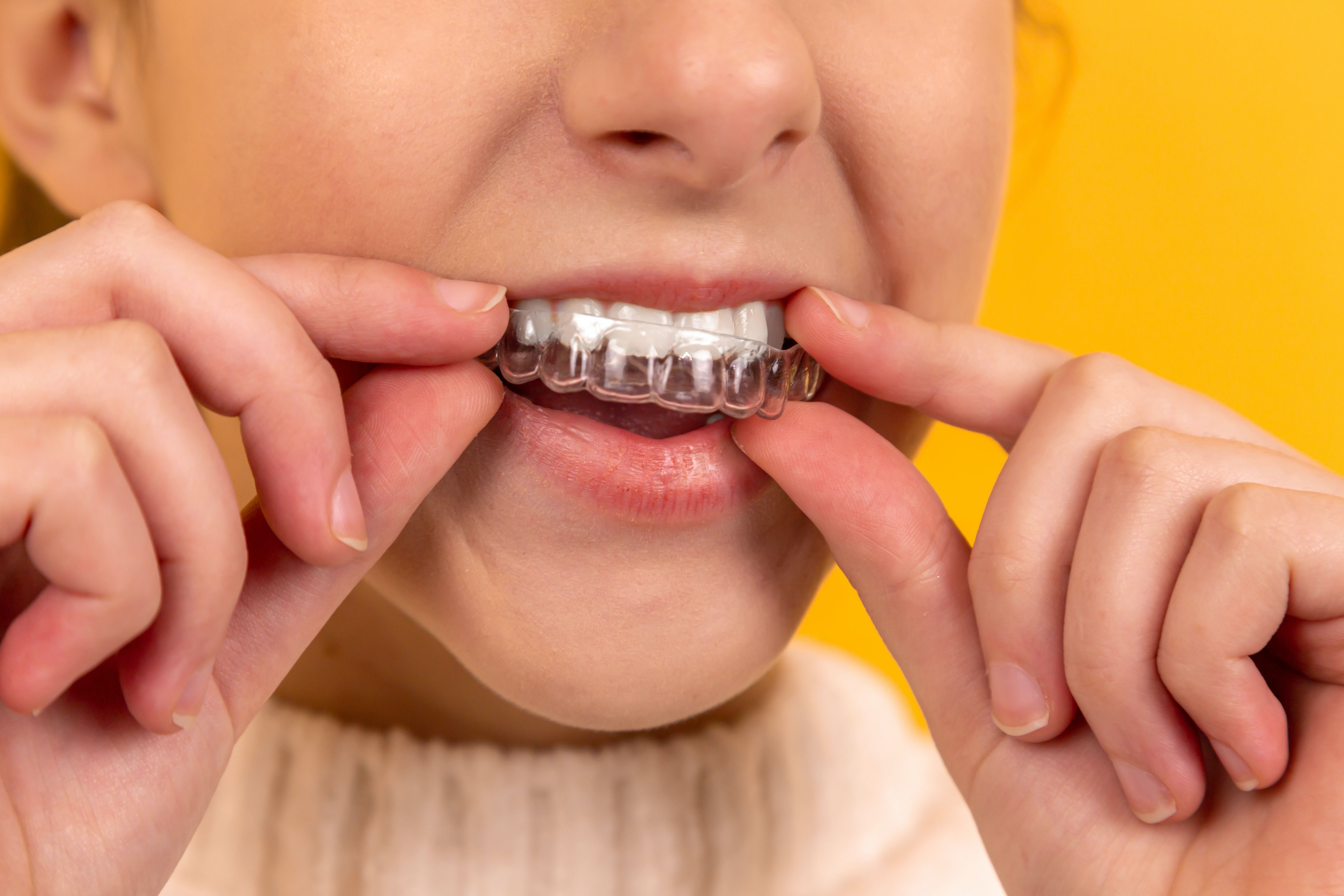
This module comprehensively explores clear aligner therapy, from design and planning through to fabrication and clinical management. It presents the fundamental principles of treatment, rigorous case selection, and an understanding of aligner mechanics as well as the staged tooth movements that are programmed. Emphasis is placed on collaboration with the laboratory, optimization of patient management and personalization of therapeutic strategies. The main malocclusions (crowding, spacing, crossbite, deep bite, open bite) are addressed, along with finishing protocols, refinement and the management of complications, enabling the practitioner to master aligners with precision and efficiency.

More dentofacial orthopedics and challenges

Treatment principles in clear aligner therapy 

  • Case selection 
  • Aligner mechanics 
  • Tooth movement 
  • Stages (stage-by-stage planning) 

Clinical patient management and laboratory management 

Align your way 

Crowding – Spacing – Crossbite – Supraocclusion – Open bite. Finishing, refinement and complication management in the office.

Important information

Complete educational materials, installation of necessary software as well as all equipment used during practical sessions will be provided to participants throughout the training. Personalized support and clinical case monitoring will also be provided during the entire cycle to ensure progressive, secure and directly applicable integration of the protocols taught in daily practice.

On request Pricing

Registration

Basic & advanced orthodontics

Please enter your information correctly. This information will be used for your file. Please check it before confirming.

Register quickly

Google Facebook
1 / 1

Our partners

WhatsApp Facebook Instagram Email